In the bustling rhythm of modern life, few kitchen appliances offer the simple yet profound convenience of an electric tea kettle. For over 15 years, I’ve seen these unassuming devices evolve from basic water boilers into sophisticated tools that cater to every hot beverage enthusiast. The best electric tea kettle isn’t just about speed; it’s about precision, efficiency, and enhancing your daily rituals, whether it’s a perfectly brewed cup of green tea or a quick pour-over coffee.
The Electric Kettle Revolution: A Brief History
The journey of the electric kettle began over a century ago, with early models like the one introduced by the Carpenter Electric Company in 1891. These initial designs were rudimentary, essentially a heating element placed directly inside a traditional kettle. Fast forward to the mid-20th century, and the introduction of automatic shut-off mechanisms marked a significant leap in safety and convenience. Today, the landscape is vastly different. We’ve witnessed a revolution driven by smart technology, precise temperature controls, and aesthetic diversity, transforming a utilitarian object into a centerpiece of modern kitchen design. The focus has shifted from merely boiling water to optimizing it for specific beverages, making the best electric tea kettle a true culinary asset.
Understanding Your Options: Types of Electric Tea Kettles
Navigating the market for the best electric tea kettle can feel overwhelming with the array of choices available. However, understanding the main categories can help you pinpoint exactly what you need.
Standard (Rapid Boil) Kettles
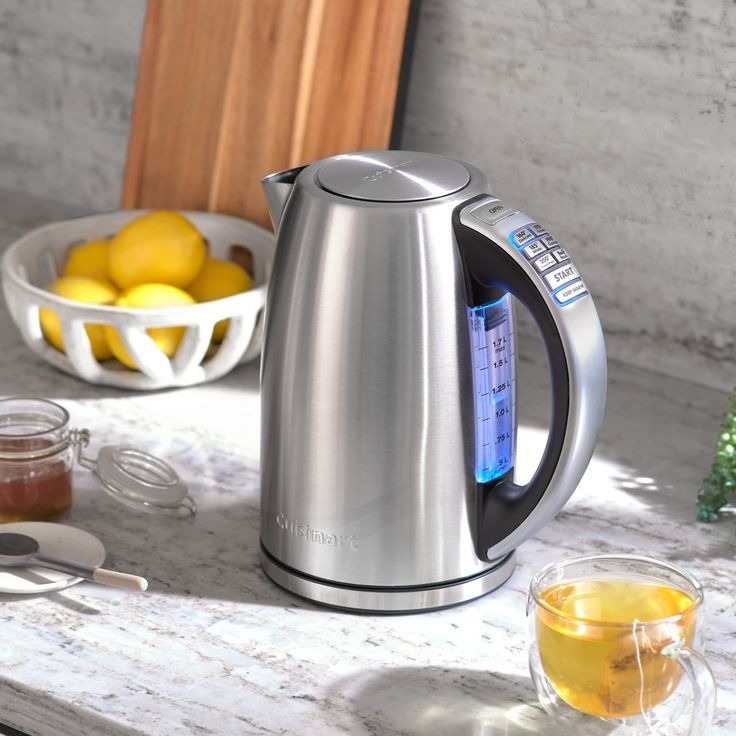
These are the workhorses of the electric kettle family, designed for one primary purpose: boiling water quickly. They typically feature a simple on/off switch and automatic shut-off once boiling temperature is reached. Ideal for instant coffee, black tea, or any task requiring rapidly boiled water, they prioritize speed and straightforward operation.
Variable Temperature Control Kettles
For the connoisseur of fine teas or pour-over coffee, a variable temperature electric kettle is indispensable. Different teas, such as delicate green or white teas, require specific temperatures to unlock their full flavor without scorching. These kettles offer a range of preset temperatures (e.g., 160°F for white tea, 175°F for green tea, 190°F for oolong, 200°F for French press, and 212°F for black tea) or precise degree-by-degree settings, ensuring your beverage is always brewed to perfection.
Gooseneck Kettles
Distinguished by their long, slender spouts, gooseneck electric kettles are specifically engineered for pour-over coffee and meticulous tea preparation. The design allows for incredibly precise pouring control, enabling you to saturate coffee grounds evenly or direct water flow around loose leaf tea with artistry. While many are variable temperature, their primary appeal lies in their elegant control.
Glass Kettles
Combining aesthetics with functionality, glass electric kettles allow you to watch the water bubble and boil, adding a visual charm to your kitchen. Made from durable borosilicate glass, they are often preferred for their clean design and the assurance that water isn’t coming into contact with plastic. Many glass models also incorporate variable temperature settings and LED illumination.
Our Picks for the Best Electric Kettle in 2026
As an Amazon Associate I earn from qualifying purchases.
Num
Product
Action
1
Cuisinart PerfecTemp 1.7-Liter Electric Kettle, Cordless Electric Tea Kettle, 1500W for Fast Heat-Up, 6 Preset Temperatures, 30-Minute Keep Warm, Stay Cool Nonslip Handle, CPK-17P1

2
Gourmia Electric Programmable Glass Kettle – 1.7L Temperature Control Tea & Coffee Kettle with Digital Touch Display, 6 Presets, Keep Warm, Removable Stainless Steel Infuser, 360° Swivel Base – Peach
3
Chefman Electric Kettle with Temperature Control, 5 Presets LED Indicator Lights, Removable Tea Infuser, Glass Tea Kettle & Hot Water Boiler, 360° Swivel Base, BPA Free, Stainless Steel, 1.8 Liters
4
Chefman Electric Kettle, 1.8L 1500W, Hot Water Boiler, Removable Lid for Easy Cleaning, Auto Shut Off, Boil-Dry Protection, Stainless Steel Filter, BPA Free, Borosilicate Glass Electric Tea Kettle
5
NutriChef Water Boiler and Hot Water Dispenser, 8L Electric Beverage Dispenser with Safety Lock Lid, Non-Drip Tap, Warm Function, Food Grade Stainless Steel, Home & Commercial Use, 19\"x9\"x9\", Silver
6
Cosori Electric Kettle, No Plastic Filter & Spout, 1.8Qt Tea Kettle & Hot Water Boiler For Coffee & Tea, Water Heater & Teapot, Automatic Shut Off, Borosilicate glass, Black, 1500W
7
COSORI Electric Kettle, Stainless Steel Tea Kettle, Plastic-free Inner Lid, Filter and Spout, Easy to Clean, Automatic Shut Off & Boil-Dry Protection, Hot Water Boiler & Heater, 1.7L, 1500W
8
Kndko Electric Kettle,Temperature Adjustmenet, Stainless Steel Filter and Kettle,1.7L Tea Kettle & Hot Water Boiler For Coffee & Tea, Automatic Shut Off, 1500W, Silver
9
Cuisinart Soho 1-Liter Double Wall Electric Hot Water Kettle, Tea Kettle with Stainless Steel Interior, One Touch Operation to Boil Water for Tea, Hot Cocoa, or Instant Oatmeal, CK-10TR, Truffle
10
OVENTE Electric Kettle, 1.7L Fast Boiling Water Heater for Coffee or Tea, BPA Free with Water Level Gauge, Auto Shut-Off, Boil-Dry Protection, Indicator Light and Removable Filter, White KP72W
|
Our Picks for the Best Electric Kettle in 2026
As an Amazon Associate I earn from qualifying purchases.
|
||
| Num | Product | Action |
|---|---|---|
| 1 | Cuisinart PerfecTemp 1.7-Liter Electric Kettle, Cordless Electric Tea Kettle, 1500W for Fast Heat-Up, 6 Preset Temperatures, 30-Minute Keep Warm, Stay Cool Nonslip Handle, CPK-17P1 |
|
| 2 | Gourmia Electric Programmable Glass Kettle – 1.7L Temperature Control Tea & Coffee Kettle with Digital Touch Display, 6 Presets, Keep Warm, Removable Stainless Steel Infuser, 360° Swivel Base – Peach |
|
| 3 | Chefman Electric Kettle with Temperature Control, 5 Presets LED Indicator Lights, Removable Tea Infuser, Glass Tea Kettle & Hot Water Boiler, 360° Swivel Base, BPA Free, Stainless Steel, 1.8 Liters |
|
| 4 | Chefman Electric Kettle, 1.8L 1500W, Hot Water Boiler, Removable Lid for Easy Cleaning, Auto Shut Off, Boil-Dry Protection, Stainless Steel Filter, BPA Free, Borosilicate Glass Electric Tea Kettle |
|
| 5 | NutriChef Water Boiler and Hot Water Dispenser, 8L Electric Beverage Dispenser with Safety Lock Lid, Non-Drip Tap, Warm Function, Food Grade Stainless Steel, Home & Commercial Use, 19\"x9\"x9\", Silver |
|
| 6 | Cosori Electric Kettle, No Plastic Filter & Spout, 1.8Qt Tea Kettle & Hot Water Boiler For Coffee & Tea, Water Heater & Teapot, Automatic Shut Off, Borosilicate glass, Black, 1500W |
|
| 7 | COSORI Electric Kettle, Stainless Steel Tea Kettle, Plastic-free Inner Lid, Filter and Spout, Easy to Clean, Automatic Shut Off & Boil-Dry Protection, Hot Water Boiler & Heater, 1.7L, 1500W |
|
| 8 | Kndko Electric Kettle,Temperature Adjustmenet, Stainless Steel Filter and Kettle,1.7L Tea Kettle & Hot Water Boiler For Coffee & Tea, Automatic Shut Off, 1500W, Silver |
|
| 9 | Cuisinart Soho 1-Liter Double Wall Electric Hot Water Kettle, Tea Kettle with Stainless Steel Interior, One Touch Operation to Boil Water for Tea, Hot Cocoa, or Instant Oatmeal, CK-10TR, Truffle |
|
| 10 | OVENTE Electric Kettle, 1.7L Fast Boiling Water Heater for Coffee or Tea, BPA Free with Water Level Gauge, Auto Shut-Off, Boil-Dry Protection, Indicator Light and Removable Filter, White KP72W |
|
How They Work: Technology Behind the Boil
At its core, an electric tea kettle operates on a simple yet effective principle: resistance heating. Inside the base or beneath the kettle’s floor lies a powerful heating element, typically a coiled resistor made of a nickel-chromium alloy. When electricity flows through this coil, it encounters resistance, generating heat. This heat is then transferred to a metal plate at the bottom of the kettle, which in turn heats the water.
Modern electric kettles incorporate several key technologies for safety and convenience:
- Thermostat: This crucial component detects when the water reaches boiling point. Once the target temperature is hit, it triggers a mechanism to cut off power, preventing over-boiling and saving energy.
- Automatic Shut-off: Directly linked to the thermostat, this feature ensures the kettle switches off once the water boils or reaches the user-selected temperature.
- Boil-Dry Protection: A vital safety measure, this system automatically turns off the heating element if the kettle is switched on with insufficient or no water inside. This prevents damage to the kettle and reduces fire hazards.
- Rapid Boil Technology: Advanced elements and designs optimize heat transfer, allowing some kettles to boil water in just a few minutes, significantly faster than a stovetop.
- Temperature Sensors: In variable temperature models, highly accurate sensors monitor water temperature, allowing for precise heating to specific degrees, essential for different types of tea and coffee.
Choosing Your Perfect Brew Buddy: A Buying Guide
Selecting the best electric tea kettle involves more than just picking a pretty design. It’s about finding the perfect blend of features that match your lifestyle and beverage preferences.
Temperature Control: Why It Matters
For true tea enthusiasts, precise temperature control is paramount. Green teas can turn bitter if brewed with boiling water, while black teas require a full boil to extract their robust flavors. A kettle with variable temperature settings ensures you can brew each type of tea at its optimal temperature, enhancing its aroma and taste. Consider preset options or a dial for exact temperature selection.
Speed and Efficiency
Electric kettles are renowned for their speed. Most can bring water to a boil in just a few minutes, often faster than a microwave or stovetop. This efficiency is a huge time-saver in busy mornings. Many models are also more energy-efficient than traditional stovetop methods, heating only the water needed without wasting energy on a larger burner.
Capacity: Single Serve to Family Size
Electric kettles come in various capacities, typically ranging from 0.5 liters (for travel or single servings) to 1.7 or even 2 liters (ideal for families or entertaining). Consider how much hot water you typically need at once. A larger capacity is great for multiple cups or cooking, while a smaller one is perfect for personal use and saves counter space.
Material and Design: Stainless Steel, Glass, Cool-Touch
- Stainless Steel: Durable, easy to clean, and provides a sleek, modern look. It’s a classic choice for longevity.
- Glass: Offers an elegant aesthetic and allows you to visually monitor the boiling process. Borosilicate glass is heat-resistant and generally does not impart any flavor to the water.
- Cool-Touch Exterior: Some kettles feature double-walled construction, keeping the exterior cool to the touch even when the water inside is boiling, adding a layer of safety, especially in households with children.
Safety Features: Auto-Shutoff, Boil-Dry
These are standard but crucial. Ensure any electric kettle you consider has automatic shut-off to prevent over-boiling and boil-dry protection to safeguard against damage if it’s accidentally turned on without water.
Special Features: Keep Warm, Programmable, Smart Connectivity
- Keep Warm Function: This feature maintains your water at a set temperature for a period, usually 30 to 60 minutes, perfect for multiple cups of tea or coffee throughout an hour.
- Programmable Start: Some advanced models allow you to schedule when your water will be hot and ready, much like a coffee maker.
- Smart Connectivity: High-end models may offer Wi-Fi connectivity, letting you control the kettle from your smartphone, schedule boils, or even integrate with smart home systems.
Price vs. Features
Electric kettles range widely in price. Budget-friendly options offer basic rapid boil functionality, while premium models boast variable temperature control, smart features, and designer aesthetics. Determine which features are essential for you to find the best value without overspending.
Mastering Your Electric Kettle: Usage and Care Tips
To ensure your electric tea kettle serves you well for years, proper usage and maintenance are key.
First Use
Before the first brew, it’s advisable to fill the kettle with water, bring it to a boil, and then discard the water. This cleans out any manufacturing residues and prepares the kettle for use.
Filling and Operation
Always fill the kettle between the minimum and maximum fill lines. Overfilling can lead to boiling water spilling out, while underfilling might trigger the boil-dry protection. Place the kettle securely on its base before turning it on.
Cleaning and Descaling
Mineral deposits (limescale) from tap water can build up inside your kettle over time, affecting its efficiency and potentially altering the taste of your beverages.
- Regular Cleaning: Wipe the exterior with a damp cloth. For the interior, rinse regularly.
- Descaling: A simple solution of equal parts white vinegar and water, filled to about halfway, boiled, and left to soak for 30 minutes to an hour, can effectively remove limescale. Rinse thoroughly several times afterward. Alternatively, specialized descaling products are available. Descale every 1-3 months depending on your water hardness.
Safety Precautions
- Always ensure the lid is properly closed before boiling.
- Do not immerse the kettle’s base in water.
- Keep the kettle out of reach of children and away from the edge of countertops.
- Avoid touching the hot surfaces of the kettle immediately after boiling.
Electric Kettles vs. Traditional Methods: A Clear Winner?
For decades, stovetop kettles were the only way to heat water. But when pitted against traditional methods, the electric tea kettle often emerges as the clear winner in terms of modern convenience.
- Speed: Electric kettles consistently outperform stovetop kettles, boiling water significantly faster. This is due to their direct heating elements and optimized design.
- Energy Efficiency: Electric kettles are generally more energy-efficient because they typically heat a smaller volume of water more directly and rapidly, wasting less energy.
- Precision: As we’ve discussed, variable temperature control is a game-changer that stovetop kettles simply cannot match, allowing for optimal brewing temperatures for different beverages.
- Convenience: Automatic shut-off means no more forgotten, whistling kettles on the stove. Just press a button, and your water is ready.
Beyond the Brew: Everyday Benefits and Applications
The utility of the best electric tea kettle extends far beyond just making tea. Its versatility makes it an invaluable asset in any kitchen.
- Perfect Tea and Coffee: This is a given, with precise temperatures ensuring optimal flavor extraction.
- Instant Meals: Quickly prepare ramen noodles, oatmeal, couscous, or any other instant meal.
- Baby Formula: Achieve the exact warm temperature needed for preparing baby bottles, safely and efficiently.
- Cooking Aid: Speed up cooking times by using pre-boiled water for pasta, vegetables, or soups. No more waiting for a large pot to boil on the stove.
- Energy Saving: Heating only the water you need, precisely and quickly, can contribute to lower energy consumption compared to heating water on a stovetop.
- Time Saving: In our fast-paced lives, saving a few minutes here and there adds up. An electric kettle delivers hot water on demand, instantly freeing up time for other tasks.
Expert Insights on Electric Kettles
“The evolution of electric kettles reflects our growing demand for convenience and precision in the kitchen,” notes Dr. Eleanor Vance, a veteran appliance engineer. “Modern models offer unparalleled control, transforming everyday hot beverages into a refined experience while also prioritizing safety and energy efficiency.”
Frequently Asked Questions (FAQ)
How fast do electric kettles boil water?
Most electric kettles can boil a standard amount of water (e.g., 3-4 cups) in as little as 3 to 5 minutes, significantly faster than a stovetop.
Are electric kettles energy efficient?
Yes, electric kettles are generally more energy-efficient than stovetop kettles because they heat water directly and rapidly, reducing heat loss and only heating the amount of water required.
What is the best temperature for green tea?
The ideal temperature for green tea is typically between 160°F and 175°F (70°C and 80°C) to prevent bitterness and preserve its delicate flavors.
How often should I descale my electric kettle?
The frequency depends on your water hardness and usage. For hard water areas or frequent use, descaling every 1-3 months is recommended to maintain efficiency and water purity.
Can I put anything other than water in my electric kettle?
No, it is strongly advised to only put water in an electric kettle. Other liquids can damage the heating element, create safety hazards, or leave difficult-to-remove residues and odors.
What’s the difference between a standard and a gooseneck kettle?
A standard electric kettle has a wider spout for rapid pouring, while a gooseneck kettle features a long, slender spout designed for precise and controlled pouring, ideal for pour-over coffee or delicate teas.
Are glass electric kettles safe?
Yes, glass electric kettles made from borosilicate glass are safe. This type of glass is highly resistant to thermal shock and breakage, and it does not leach chemicals into the water.
Conclusion
Choosing the best electric tea kettle is about investing in daily convenience, precise brewing, and modern efficiency. From its humble beginnings to today’s smart, variable temperature models, the electric kettle has solidified its place as an indispensable kitchen appliance. By understanding the types, features, and proper care, you can make an informed decision that will elevate your hot beverage experience, save you time, and contribute to a more efficient home. Embrace the innovation and discover how the right electric tea kettle can transform your routine.