Stepping into a well-appointed kitchen, your eyes might immediately be drawn to a statement piece – perhaps a gleaming Copper Electric Kettle. More than just a humble appliance for boiling water, the copper electric kettle has evolved into a centerpiece, blending timeless aesthetic charm with the convenience and efficiency of modern technology. As someone who has spent over 15 years immersed in the home appliance industry, I’ve witnessed firsthand the rising popularity of these kettles, and it’s clear they offer a unique proposition for discerning homeowners. This article will guide you through everything you need to know about these magnificent kitchen companions, from their historical roots to choosing and caring for your own.
The Rich History of Copper in the Kitchen
Copper has held a revered place in kitchens for centuries, celebrated for its superb thermal conductivity and stunning visual appeal. Before the advent of electricity, copper stovetop kettles were a staple, known for their ability to heat water quickly and evenly. This rich heritage translates beautifully into today’s electric models, where the material evokes a sense of tradition and craftsmanship, even in a technologically advanced form. The transition from open-flame kettles to electric versions brought unparalleled convenience, and copper quickly found its niche as a premium finish, continuing its legacy in the heart of the home.
Why Copper? More Than Just a Pretty Face
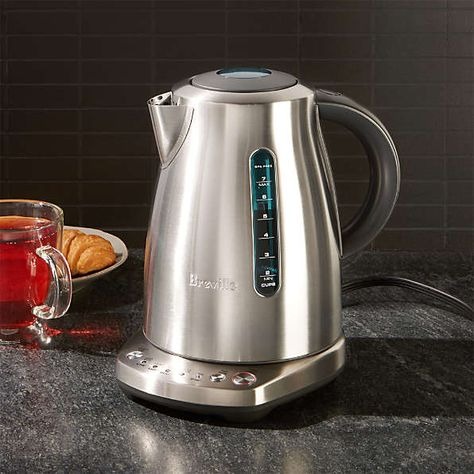
The choice of a copper electric kettle is rarely purely utilitarian. While functionality is key, its material brings a distinctive character.
Aesthetic Appeal: A Touch of Timeless Elegance
Copper has an undeniable charm. Its warm, inviting hue can transform a simple kitchen counter into a sophisticated culinary space. Whether your kitchen boasts a rustic farmhouse vibe, a sleek industrial edge, or classic traditional decor, a copper electric kettle seamlessly integrates, adding a touch of understated luxury. Finishes vary, from highly polished, mirror-like surfaces that gleam under kitchen lights to brushed or antique copper that develops a beautiful, unique patina over time, telling a story of countless cups of tea and coffee.
Thermal Properties: A Nod to Efficiency
While the direct heat transfer properties of copper are most pronounced in stovetop applications, its excellent thermal conductivity still plays a role in the overall design and efficiency of an electric kettle. A well-designed copper electric kettle can contribute to rapid boiling times, especially when paired with a powerful heating element, though the primary heating mechanism is internal. This means you get your hot water faster, making your morning routine or evening tea ritual just a little bit smoother.
Understanding Your Copper Electric Kettle
To truly appreciate a copper electric kettle, it’s helpful to understand what lies beneath its beautiful exterior.
How Electric Kettles Work (The Basics)
At its core, an electric kettle is remarkably simple. It uses an electric heating element, typically located at the base, to rapidly heat water to boiling point. A thermostat detects when the water reaches temperature, automatically shutting off the kettle to prevent over-boiling and ensure safety. This mechanism is standard across all electric kettles, including those with a copper finish.
The Copper Difference: Beauty Meets Functionality
It’s important to note that most modern copper electric kettles feature an interior lining of food-grade stainless steel or, less commonly, borosilicate glass. This design choice is crucial for both safety and hygiene. Direct contact between drinking water and copper, while generally safe in small amounts, is typically avoided in the water chamber itself to prevent any metallic taste and comply with health standards. The copper, therefore, serves as a stunning and durable exterior shell, wrapping around the safe and efficient internal components. This ensures you get the best of both worlds: the aesthetic grandeur of copper and the practical, safe performance of a modern appliance.
Types and Features to Look For
Modern copper electric kettles come with a host of features designed to enhance your experience:
- Variable Temperature Control: Ideal for tea connoisseurs who know different teas brew best at specific temperatures.
- Rapid Boil Functionality: High wattage heating elements ensure water boils quickly.
- Gooseneck Spouts: Perfect for pour-over coffee, offering precise control over the water flow.
- Capacity: Ranging from compact 1-liter models to larger 1.7-liter kettles for families or entertaining.
- Cordless Design: Kettles lift off their base, making pouring and serving incredibly convenient.
Choosing Your Perfect Copper Electric Kettle
Selecting the right copper electric kettle involves more than just picking the prettiest one. Consider these factors to find a model that truly fits your lifestyle and kitchen.
Design and Finish: What’s Your Kitchen’s Vibe?
Think about your kitchen’s existing aesthetic. Do you prefer the bright, reflective sheen of polished copper, the subtle sophistication of brushed copper, or the rich, dark tones of an antique copper finish? Many manufacturers also offer models with vintage-inspired details or sleek, modern minimalist lines, ensuring there’s a design to complement every taste.
Capacity and Wattage: Tailoring to Your Needs
- Capacity: A smaller 1.0-liter kettle might be perfect for solo users or couples, while a 1.7-liter model is better suited for families or those who frequently entertain.
- Wattage: Higher wattage (e.g., 1500W to 2200W) generally means faster boiling times. If speed is a priority, check for this specification.
Safety Features: Peace of Mind in Every Pour
Look for essential safety features like automatic shut-off when water boils and boil-dry protection, which turns off the kettle if it accidentally runs out of water. These features are non-negotiable for safe operation.
Interior Material: Ensuring Purity
Always confirm that the interior of the water chamber is made of food-grade stainless steel or borosilicate glass. This guarantees that your water remains pure and free from any metallic interactions, preserving its taste and your health.
Ergonomics and Usability: Comfort in Hand
Consider the handle design (is it comfortable to grip?), the ease of opening the lid, and the precision of the spout for pouring without drips. A well-designed kettle feels balanced and intuitive to use.
Price and Brand Reputation
Copper electric kettles often come with a slightly higher price tag than their stainless steel or plastic counterparts, reflecting the premium material and craftsmanship. Investing in a reputable brand often translates to better quality, durability, and customer support.
Caring for Your Copper Masterpiece
A copper electric kettle, like any fine kitchen tool, thrives with a little care and attention.
Exterior Maintenance: Shine or Patina?
This is where your personal preference comes in.
- For a lasting shine: Regularly wipe the exterior with a soft, dry cloth. For deeper cleaning and to remove tarnish, use a specialized copper polish or a natural solution like lemon juice and salt.
- Embracing the patina: If you love the aged, rustic look, simply clean with a damp cloth and mild soap, allowing the natural oxidation process to create a unique, beautiful patina over time.
Interior Descaling: The Key to Longevity
Hard water can lead to mineral buildup (limescale) inside your kettle, affecting performance and taste. Regular descaling is crucial:
- Fill the kettle with equal parts white vinegar and water.
- Bring to a boil and let it sit for 30-60 minutes.
- Pour out the solution, rinse thoroughly, and boil fresh water a few times to eliminate any vinegar smell.
This simple routine keeps your kettle working efficiently for years.
General Tips for Extended Life
Avoid abrasive cleaners or scouring pads on the copper exterior, as these can scratch the finish. Always ensure the base is dry before placing the kettle back on it, and store your kettle in a dry place to prevent moisture-related tarnishing.
Copper Electric Kettles vs. Other Materials: A Quick Comparison
When choosing an electric kettle, copper stands out, but how does it compare to its common counterparts?
- Aesthetics: Copper offers unparalleled warmth and vintage charm. Stainless steel is sleek and modern, glass is minimalist and allows you to see the water, while plastic is functional and budget-friendly.
- Performance: While many materials boil water efficiently, copper’s natural thermal properties are a historical advantage, and good design ensures swift boiling in modern copper electric kettles.
- Maintenance: Copper exteriors require more specific care (polishing for shine or managing patina) compared to stainless steel or glass, which are generally low-maintenance. Plastic is the easiest to clean but can stain over time.
The Unseen Benefits: More Than Just Boiling Water
Beyond its primary function, a copper electric kettle brings several intangible benefits to your home. It elevates your kitchen decor, acting as a conversation starter and a reflection of your personal style. Its robust construction often means greater durability compared to less premium materials, offering a longer lifespan with proper care. Ultimately, it’s an investment in both utility and beauty, enhancing your daily rituals and the overall ambiance of your living space.
Frequently Asked Questions (FAQ)
Are copper electric kettles safe to use?
Yes, modern copper electric kettles are designed with safety in mind. The water chamber itself is typically lined with food-grade stainless steel or glass to ensure that water does not directly contact the copper and remains pure and safe for consumption.
Do copper kettles boil water faster?
While copper’s excellent thermal conductivity helps distribute heat efficiently, the actual boiling speed of an electric kettle is primarily determined by its wattage. However, a high-wattage copper electric kettle can certainly achieve rapid boil times.
How do I prevent my copper kettle from tarnishing?
To maintain a bright, polished finish, regularly wipe your copper electric kettle with a soft cloth and use a copper polish as needed. If you prefer, allowing a natural patina to develop is also an option that many find aesthetically pleasing.
Can I put my copper electric kettle in the dishwasher?
No, it is strongly advised not to put your copper electric kettle in the dishwasher. The harsh detergents and high heat can damage the copper finish, the electrical components, and the internal lining, significantly shortening its lifespan. Hand washing is always recommended.
What’s the difference between a copper electric kettle and a traditional copper kettle?
A copper electric kettle features an integrated heating element and plugs into an electrical outlet for convenience and rapid boiling. A traditional copper kettle is designed for stovetop use, requiring an external heat source, and is often entirely made of copper, including the interior.
Conclusion
The copper electric kettle is a testament to how classic materials can beautifully integrate with modern technology. It’s more than just an appliance; it’s an heirloom-quality piece that adds warmth, character, and efficiency to your kitchen. By understanding its unique properties, selecting a model that suits your needs, and providing proper care, your copper electric kettle will serve you faithfully for years to come, turning the simple act of boiling water into a daily moment of refined pleasure. Make an informed choice, and let the timeless elegance of copper enhance your home.