Ah, the Electric Kettle. It might seem like a simple appliance, but for over 15 years in the home appliance industry, I’ve seen how this kitchen staple has quietly revolutionized our daily routines. From that first morning brew to a quick cup of instant noodles, the humble electric kettle has earned its spot on countless countertops. But what makes a great electric kettle, and how do you pick the perfect one for your home? Let’s dive deep into the world of this essential gadget, exploring its history, technology, and how to make the smartest choice.
A Brief History of the Electric Kettle
Believe it or not, the concept of heating water quickly goes back centuries. But the electric kettle as we know it today is a relatively modern marvel. The very first self-contained electric kettle emerged in the late 19th century, specifically around 1891, courtesy of the Chicago-based Carpenter Electric Company. Early models were quite rudimentary, often slow, and required a separate heating element placed inside the kettle. It wasn’t until the 1920s and 30s that innovations like automatic shut-off mechanisms and integrated heating elements started to appear, dramatically improving safety and convenience. Over the decades, materials evolved from metal to plastic and then back to sophisticated stainless steel and glass, continually refining performance and aesthetics.
Types of Electric Kettles: Finding Your Perfect Match
The market today offers a surprising variety of electric kettles, each designed to cater to different needs and preferences. Understanding the main types can help you pinpoint the best fit for your lifestyle.
Standard Electric Kettles
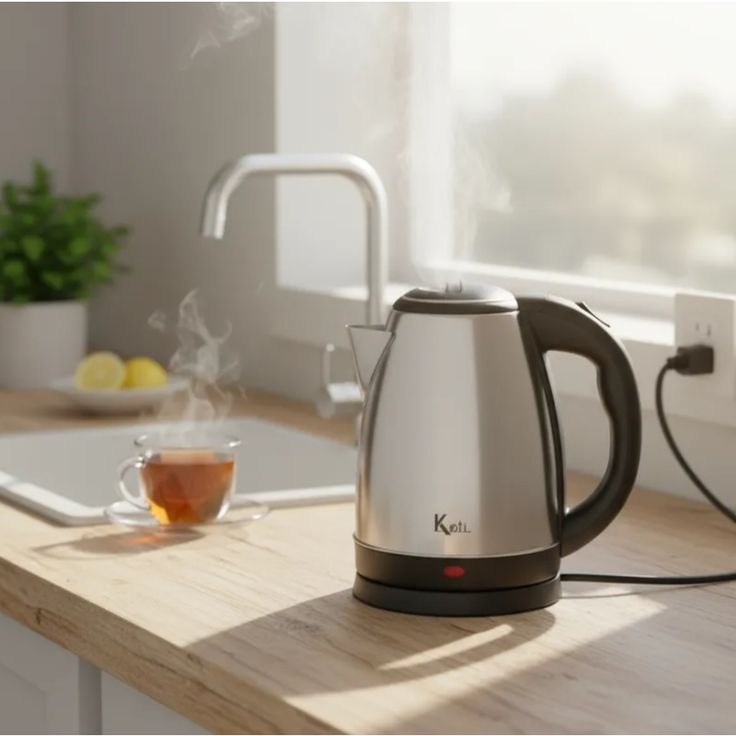
These are your everyday workhorses, typically featuring a concealed heating element, automatic shut-off, and boil-dry protection. They’re straightforward, efficient, and come in various capacities and designs, often made from plastic, stainless steel, or glass. They’re perfect for general use, offering quick boiling without fuss.
Variable Temperature Kettles
For the tea connoisseur or coffee aficionado, variable temperature kettles are a game-changer. Different beverages require different water temperatures to brew optimally – green tea at 175°F (80°C), coffee at 200°F (93°C), and black tea at a full boil. These kettles allow you to select precise temperatures, ensuring you get the best flavor from your drinks. Many also include a “keep warm” function, holding your desired temperature for a period.
Travel Kettles
Compact and lightweight, travel electric kettles are designed for life on the go. They usually have smaller capacities (around 0.5 to 1 liter) and often come with dual voltage settings, making them ideal companions for holidays, business trips, or even for small dorm rooms.
Gooseneck Kettles
While often variable temperature, gooseneck kettles are distinct due to their long, slender spout. This design provides precise pour control, which is essential for pour-over coffee brewing and certain types of tea where a slow, even pour is crucial. They combine aesthetic appeal with high functionality.
How Your Electric Kettle Works: The Science of Speed
Ever wondered what makes an electric kettle so fast and efficient? The magic lies in its simple yet ingenious design. Most modern electric kettles use a concealed heating element, typically a coil located at the base of the kettle, beneath a metal plate. When you switch it on, electricity flows through this element, which has a high electrical resistance. This resistance converts electrical energy into heat energy, rapidly heating the metal plate. The heat then transfers directly to the water in contact with the plate through conduction.
As the water at the bottom heats up, it becomes less dense and rises, while cooler, denser water sinks to take its place. This continuous circulation is called convection, ensuring that all the water heats evenly and quickly.
The crucial safety feature, automatic shut-off, is often managed by a bimetallic strip or a steam sensor. When the water boils, the steam rises into a small channel, heating a bimetallic strip. This strip bends due to the heat, eventually tripping a switch that cuts off the power. Similarly, boil-dry protection prevents damage if the kettle is accidentally switched on without water or if it boils dry, by detecting overheating and shutting off the element.
Your Buying Guide: Choosing the Right Electric Kettle
Picking the perfect electric kettle can seem daunting with so many options available. Here’s what you should consider to make a smart decision:
- Capacity: How much water do you typically need? A small household or individual might be fine with a 1-liter kettle, while a family or frequent entertainer might prefer 1.7 to 2 liters.
- Material:
- Stainless Steel: Durable, easy to clean, and retains heat well. A classic choice.
- Glass: Visually appealing, allows you to see the water boil, and doesn’t impart flavors. Can be more fragile.
- Plastic: Often the most affordable and lightweight. Ensure it’s BPA-free for health reasons.
- Temperature Control: Do you need precise temperature settings for various beverages? If so, a variable temperature model is a must.
- Speed: While most electric kettles are fast, some models boast even quicker boil times thanks to higher wattage. Check the wattage (1500W-3000W); higher wattage generally means faster boiling.
- Safety Features: Automatic shut-off and boil-dry protection are standard and essential. Look for cool-touch handles and stable bases.
- Design and Ergonomics: Consider the handle comfort, lid opening mechanism, water level indicator visibility, and how it looks on your countertop. A wide opening can make cleaning easier.
- Brand Reputation: Stick with reputable brands known for quality and customer service. Reading reviews is always a good idea.
“When selecting an electric kettle, prioritize safety features like boil-dry protection and automatic shut-off above all else,” advises Eleanor Vance, a seasoned appliance safety consultant. “Beyond that, consider how it truly fits into your daily rituals – capacity and temperature control are key.”
Using and Maintaining Your Electric Kettle for Longevity
Proper usage and maintenance can significantly extend the life of your electric kettle and ensure it continues to perform optimally.
- Fill Correctly: Always fill the kettle between the minimum and maximum fill lines. Overfilling can cause boiling water to spill, while underfilling can trigger boil-dry protection or damage the heating element.
- Use Fresh Water: Always use fresh, cold water. Re-boiling old water can affect taste.
- Regular Cleaning: Wipe down the exterior with a damp cloth. For the interior, a soft sponge and mild dish soap can be used, ensuring you rinse thoroughly.
- Descaling: Limescale (mineral deposits) can build up inside, especially in hard water areas, reducing efficiency and affecting taste.
- Vinegar Method: Fill the kettle halfway with equal parts white vinegar and water. Bring to a boil, then let it sit for 15-30 minutes before rinsing thoroughly several times.
- Citric Acid Method: Dissolve a tablespoon of citric acid powder in water, fill the kettle, bring to a boil, and let sit for 10-15 minutes. Rinse well.
- Commercial Descalers: Follow the product instructions for best results.
- Unplug When Not in Use: For safety and energy conservation, unplug the electric kettle when it’s not in use.
Electric Kettle vs. Traditional Methods: A Clear Winner
For decades, stovetop kettles were the go-to for boiling water. But the electric kettle has largely surpassed them for several compelling reasons:
- Speed: Electric kettles are significantly faster than stovetop kettles. Their high-wattage heating elements are designed for rapid boiling, saving you precious minutes, especially during busy mornings.
- Energy Efficiency: While both use energy, electric kettles are generally more efficient. They directly heat the water, minimizing heat loss. Stovetop kettles often lose heat to the surrounding air and the stovetop itself.
- Safety: Automatic shut-off and boil-dry protection are standard safety features in electric kettles, preventing overheating, fires, and accidental spills. Stovetop kettles require constant monitoring to avoid boiling dry.
- Convenience: Simply fill, switch on, and walk away. The kettle alerts you when it’s done. No need for a hot stovetop burner.
- Precision: Variable temperature electric kettles offer precise control, a feature traditional kettles simply can’t match.
Benefits and Everyday Applications
The advantages of an electric kettle extend far beyond just making tea or coffee:
- Instant Hot Beverages: Obvious, but worth reiterating for tea, coffee, hot chocolate, and instant soups.
- Cooking Aid: Speed up cooking pasta, rice, or vegetables by using pre-boiled water.
- Baby Formula: Many variable temperature kettles have settings perfect for warming water to the precise temperature needed for baby formula.
- Cleaning: Hot water is excellent for dissolving grease and stubborn stains when cleaning dishes or surfaces.
- Sterilization: Quickly sterilize baby bottles, jars, or small kitchen utensils with boiling water.
- Home Remedies: Hot water for soothing sore throats (with honey and lemon) or creating a steam facial.
Frequently Asked Questions (FAQ)
Q1: Are electric kettles expensive to run?
A1: Generally, electric kettles are quite energy-efficient for the task they perform. While they draw a significant amount of power, they do so for a very short duration. They are often more efficient than boiling water on a stovetop, especially gas, as they directly heat the water with minimal energy loss.
Q2: Is it safe to leave water in an electric kettle?
A2: While generally safe, it’s best to empty your electric kettle after use. Leaving water in it, especially in hard water areas, can encourage limescale buildup, which reduces efficiency and can affect the taste of your next brew.
Q3: Why does my electric kettle sometimes not switch off automatically?
A3: If your electric kettle isn’t switching off, it could be due to a faulty bimetallic strip or steam sensor. Ensure the lid is properly closed, as a loose lid can prevent steam from reaching the sensor. If the problem persists, it may be time to replace the kettle for safety.
Q4: Can I heat milk in an electric kettle?
A4: It’s generally not recommended to heat milk or other liquids in an electric kettle. Milk can scald and leave residue that is difficult to clean, potentially damaging the heating element and affecting the kettle’s performance. Electric kettles are designed for water only.
Q5: What is boil-dry protection?
A5: Boil-dry protection is a safety feature that automatically turns off the electric kettle if there is insufficient water or if it accidentally boils dry. This prevents damage to the heating element and reduces the risk of fire, making the kettle much safer to use.
The Smart Choice for Modern Living
The electric kettle, in its journey from a basic heating device to a sophisticated kitchen gadget, truly stands as a testament to practical innovation. It embodies convenience, efficiency, and safety, making it an indispensable tool in any modern household. By understanding the types, technology, and maintenance, you’re now equipped to make an informed decision, choosing an electric kettle that not only meets your immediate needs but also enriches your daily routine with perfectly heated water, every single time. Here’s to smarter living and better brews!