Ever find yourself waiting impatiently for water to boil on the stovetop, only to realize you’ve missed the perfect temperature for your favorite tea or coffee? You’re not alone! The Electric Water Kettle has revolutionized how we heat water, offering unparalleled speed, precision, and convenience that traditional methods simply can’t match. This isn’t just a kitchen gadget; it’s an indispensable tool for modern living, transforming everything from your morning brew to instant meals and even quick cleaning tasks. Let’s dive deep into the world of electric water kettles and uncover why they’ve become a must-have in kitchens worldwide.
A Brief History and the Evolution of Electric Kettles
Believe it or not, the concept of a self-heating kettle has been around for over a century. Before the advent of electricity, stovetop kettles with their iconic whistles dominated kitchens. However, the game changed significantly around 1922 when electric kettles first emerged, offering a new level of convenience. A major leap forward came in 1959 with Russell Hobbs’s K2 model, which introduced features like a cool-touch handle, preventing painful burns. From these early, often clunky designs, the electric water kettle has evolved into the sleek, intelligent, and highly efficient appliances we know today, packed with advanced technology to make our lives easier and safer.
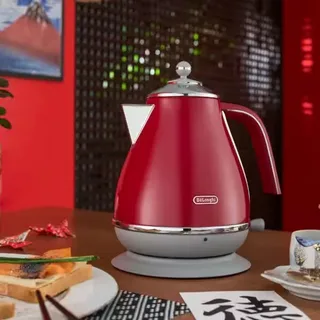
How an Electric Water Kettle Works: The Science of Speed
At its core, an electric water kettle operates on a beautifully simple principle: converting electrical energy directly into heat to warm water. But how do these appliances boil water so fast?
How do electric kettles boil water so fast?
Electric kettles achieve rapid boiling through a concealed heating element, typically a coil located at the base of the kettle. When plugged in and switched on, a large electric current flows through this element. Its electrical resistance then transforms this energy directly into heat. Unlike stovetop kettles, which transfer heat indirectly from a burner, an electric kettle’s direct contact with the water minimizes heat loss and maximizes efficiency, allowing water to reach its boiling point, usually 100°C (212°F), in just a few minutes. Many modern kettles also incorporate a thermostat or steam sensor that automatically shuts off the appliance once the water boils or reaches a preset temperature, preventing overheating and saving energy.
Popular Types of Electric Kettles: Finding Your Perfect Match
The market for electric water kettles is incredibly diverse, offering a model for every need and aesthetic preference. Choosing the right one often comes down to understanding the different types available.
By Material
- Stainless Steel Kettles: These are workhorses in the kitchen, known for their durability, rust resistance, and sleek, modern appearance. They heat water quickly but can get quite hot to the touch.
- Glass Kettles: Perfect for those who love to watch the mesmerizing dance of water boiling. Glass kettles are stylish, easy to clean, and don’t impart any taste or odor to the water. However, they are generally more fragile than their stainless steel counterparts and can also get hot on the exterior.
- Plastic Kettles: Often the most affordable and lightweight option, plastic kettles come in a variety of colors and styles. When choosing a plastic model, look for BPA-free materials to ensure safety.
By Features
- Variable Temperature Kettles: A game-changer for tea and coffee aficionados. These kettles allow you to select precise water temperatures, crucial for brewing different types of teas (like green tea at 80°C or white tea at 70°C) or perfect pour-over coffee.
- Gooseneck Kettles: Characterized by their long, slender spouts, gooseneck electric kettles offer exceptional pouring control. They are a favorite among pour-over coffee enthusiasts who need a slow, steady stream of water.
- Smart Kettles: The latest innovation, smart kettles often feature Wi-Fi connectivity, allowing you to control them via an app or voice assistants like Alexa or Google Assistant. Some even offer remote scheduling and adjustable temperature hold functions.
By Capacity and Wattage
Electric kettles come in various capacities, from small 0.5-liter travel-sized models perfect for individuals, to large 2-liter options ideal for families or entertaining. Wattage directly impacts boiling speed: higher wattage (2000W and above) means faster boiling, while lower wattage kettles (1000-1500W) are more energy-efficient but take a little longer.
Why Choose an Electric Water Kettle? Benefits That Brew Better
If you’re still on the fence, here are compelling reasons why an electric water kettle is a superior choice compared to traditional water heating methods.
Faster Boiling and Energy Efficiency
One of the most significant advantages of an electric kettle is its speed. It boils water considerably faster than a stovetop kettle or even a microwave, often in just 3-5 minutes. This is due to direct heat transfer and typically higher wattage. Moreover, electric kettles are remarkably energy-efficient, using up to 80% of the energy they consume to heat the water directly. Stovetop kettles, by contrast, lose a lot of heat to the surrounding air, making them less sustainable.
Precise Temperature Control
For anyone who appreciates the nuances of different beverages, precise temperature control is a non-negotiable feature. Electric kettles with variable temperature settings ensure your green tea isn’t scorched by boiling water, or your coffee is brewed at its optimal extraction temperature, enhancing flavor and aroma.
Enhanced Safety Features
Safety is paramount in any kitchen appliance. Modern electric water kettles are designed with multiple safety features that stovetop models lack. The most common include:
- Automatic Shut-Off: The kettle turns off automatically once the water reaches boiling point or a preset temperature.
- Boil-Dry Protection: This crucial feature prevents the heating element from activating or continuing to operate if there isn’t enough water in the kettle, safeguarding the appliance and preventing fire hazards.
- Cool-Touch Exterior: Some models, particularly double-walled ones, keep the exterior cool, preventing accidental burns.
Unmatched Convenience
Electric kettles are incredibly convenient. They don’t require a stove, can be plugged in almost anywhere with an outlet, and many are cordless, allowing for easy pouring and transport from their base. This makes them perfect for dorms, offices, or anyone needing hot water quickly and without fuss.
Comparison with Traditional Water Heating Methods
| Feature | Electric Water Kettle | Traditional Stovetop Kettle | Microwave |
|---|---|---|---|
| Boiling Speed | Very Fast (3-5 minutes) | Slower (5-10 minutes) | Fast for small amounts, inefficient for large |
| Energy Efficiency | High (up to 80% efficient) | Lower (significant heat loss to air) | Low (heats container, not just water) |
| Temperature Control | Precise (variable settings on many models) | None (only boils) | None |
| Safety Features | Auto shut-off, boil-dry protection, cool-touch exterior | Whistling noise, risk of boiling dry if unattended | No auto shut-off for specific temps |
| Convenience | Cordless jug, portable, easy to use anywhere with outlet | Requires stove, less portable | Requires microwave-safe container |
| Versatility | Boils water for drinks, instant meals, cleaning | Boils water for drinks, limited other uses | Limited to small volumes, potential for superheating |
As Dr. Anika Sharma, a leading appliance engineer, often emphasizes, “The direct heating mechanism and integrated safety systems make the electric water kettle not just a convenience, but a more reliable and energy-conscious choice for daily hot water needs.”
Guide to Choosing the Right Electric Water Kettle for Your Kitchen
Ready to welcome an electric water kettle into your home? Here’s what to consider to make an informed decision:
- Capacity and Size: Consider your household size and how often you’ll need hot water. A 1-liter kettle is good for individuals or couples, while 1.7-2 liters suit larger families. Also, think about counter space.
- Material and Durability: Stainless steel offers durability and a modern look. Glass provides visual appeal but is more delicate. BPA-free plastic is lightweight and budget-friendly.
- Wattage and Speed: For quick boiling, opt for higher wattage (1500W-3000W). If speed isn’t a top priority or you prefer lower energy consumption, a medium wattage (1000-1500W) kettle will suffice.
- Temperature Control: If you’re a connoisseur of different teas or pour-over coffee, a kettle with variable temperature settings is a worthy investment.
- Safety Features: Always look for automatic shut-off and boil-dry protection. These are standard in quality electric kettles and crucial for safety.
- Design and Ergonomics: Choose a design that complements your kitchen aesthetic. Features like a comfortable, non-slip handle, a drip-free spout, and a 360-degree swivel base enhance usability.
- Smart Features and Connectivity: For tech enthusiasts, smart kettles offer remote control and integration with smart home systems, adding a futuristic touch to your kitchen.
Mastering Your Electric Water Kettle: Usage and Maintenance Tips
To ensure your electric water kettle serves you reliably for years, proper usage and regular maintenance are key.
Proper Filling and Operation
- Fill with Cold Water: Always use cold tap water.
- Mind the Max Fill Line: Never overfill the kettle, as boiling water can spill out. Avoid underfilling too, as some kettles require a minimum water level to operate safely.
- Secure the Lid: Ensure the lid is firmly closed to activate safety locks and allow the auto-shutoff mechanism to work correctly.
- Place on Base Securely: Always place the kettle firmly on its power base before switching it on.
- Pour Carefully: Use the handle and spout for safe, controlled pouring.
Regular Cleaning and Descaling
Over time, mineral deposits (limescale) can build up inside your kettle, especially in hard water areas. This can affect performance and even the taste of your drinks.
- Daily Exterior Wipe-Down: Use a soft, damp cloth with mild dish soap to wipe the exterior, removing fingerprints and water spots. Never immerse the kettle base in water.
- Weekly Interior Cleaning (Descaling):
- Vinegar Method: Fill the kettle halfway with a 50/50 mixture of white vinegar and water. Boil the solution, then let it sit for 30 minutes to an hour. Discard the mixture and rinse the kettle thoroughly several times with fresh water to remove any vinegar smell.
- Lemon Juice/Citric Acid Method: Add 2 tablespoons of lemon juice or citric acid powder to a half-full kettle of water. Boil and let sit for 20 minutes. Rinse thoroughly.
- Baking Soda Method: For lighter deposits, add 1-2 teaspoons of baking soda to a half-full kettle of water. Boil, let sit for 20 minutes, then rinse well.
- Clean the Filter: Many kettles have a removable filter at the spout. Clean this regularly (e.g., monthly) by soaking it in a vinegar-water solution and scrubbing gently with a brush.
Tips for Longevity
- Empty After Use: Don’t leave water sitting in the kettle, as this encourages mineral buildup.
- Use Filtered Water: If you have hard water, using filtered water can significantly reduce limescale.
- Avoid Boiling Other Liquids: Electric kettles are designed for water only. Boiling milk, soup, or other liquids can damage the heating element and interior.
FAQs about Electric Water Kettles
Are electric kettles energy efficient?
Yes, electric kettles are generally more energy-efficient than stovetop kettles or microwaves because they directly heat only the water needed, reducing heat loss significantly.
Can I boil anything other than water in an electric kettle?
It is not recommended to boil anything other than water in an electric kettle. Other liquids can leave residues, damage the heating element, or pose safety risks.
How often should I descale my electric kettle?
The frequency depends on your water hardness and usage. For daily users in hard water areas, monthly descaling is advisable. For softer water or less frequent use, once every 2-3 months might be sufficient.
What is boil-dry protection?
Boil-dry protection is a safety feature that automatically shuts off the electric kettle if it detects that there is no water inside or if the water level is too low, preventing damage to the appliance and potential fire hazards.
What’s the difference between a variable temperature and a non-variable kettle?
A non-variable kettle simply heats water to its boiling point (100°C/212°F). A variable temperature kettle allows you to select and hold specific temperatures, which is ideal for different teas and coffees that require precise brewing conditions.
Are glass kettles durable?
While glass kettles are aesthetically pleasing, they are more susceptible to breakage compared to stainless steel models. However, modern borosilicate glass kettles are designed to be quite robust and resistant to thermal shock.
Conclusion
The electric water kettle is far more than just a simple appliance; it’s a testament to how intelligent design and technology can enhance our daily routines. From its humble beginnings to today’s smart, feature-rich models, the electric kettle offers an unmatched combination of speed, precision, and safety. By understanding the different types, how they work, and how to maintain them, you can choose the perfect companion for your kitchen and elevate your hot beverage experience. Embrace the efficiency and convenience an electric water kettle brings, and make smarter, more informed decisions for a truly enjoyable and hassle-free brewing journey.