In our fast-paced lives, every minute counts. From rushing to work to unwinding after a long day, the need for quick solutions is ever-present. This is especially true when it comes to our morning coffee or evening tea ritual. If you’ve ever stood impatiently by a stovetop kettle, waiting for water to boil, you understand the undeniable appeal of the Fastest Electric Kettle. This modern kitchen marvel has revolutionized how we prepare hot beverages and instant meals, promising not just convenience, but unparalleled speed. But what truly makes an electric kettle fast, and how do you pick the perfect speed demon for your home? Let’s dive in.
The Need for Speed: A Brief History of Rapid Boiling Technology
The journey from a traditional stovetop kettle to today’s lightning-fast electric models is a testament to our continuous quest for efficiency. For centuries, boiling water was a chore tied to open flames or stove burners, a process often inefficient and slow, with much of the heat escaping into the air. The advent of the electric kettle brought about a radical shift. Early models used internal heating coils, which, while faster than stovetops, were prone to mineral buildup and were less efficient. Modern electric kettles, however, feature concealed flat heating elements and advanced designs, dramatically cutting down boiling times and transforming them into the indispensable appliances we know today.
What Makes an Electric Kettle Blaze? The Science of Speed
The impressive speed of an electric kettle isn’t magic; it’s a clever combination of engineering principles designed for maximum heat transfer and efficiency.
Wattage: The Powerhouse of Rapid Boiling
If speed is what you’re after, wattage is your best friend. The wattage of an electric kettle, typically ranging from 1,000 to 3,000 watts, is arguably the most crucial factor determining its boiling speed. Simply put, higher wattage means more electrical energy is converted into heat, and that heat is delivered to the water at a faster rate. Many standard household kettles hold around 1.7 liters and operate in the 2,200 to 2,400-watt range, but high-performance models can push up to 3,000 watts, allowing them to boil water in a matter of minutes, or even a single cup in under a minute for some high-end units.
Direct Heat Transfer: Cutting Out the Middleman
Unlike stovetop kettles where heat is indirectly transferred from a burner through the kettle’s base, electric kettles benefit from direct heat transfer. Their heating elements are either immersed in the water or located directly beneath the water-holding chamber, in close contact with the water itself. This direct engagement minimizes heat loss to the surrounding environment and ensures that almost all the electrical energy is focused on heating the water, leading to a much quicker boil.
Capacity and Design: Optimizing for Quickness
While wattage provides the raw power, the kettle’s capacity and internal design play vital supporting roles in optimizing speed. It’s a simple truth: less water requires less energy to heat. Therefore, smaller capacity kettles (like 1-liter models) will generally boil faster for a given wattage than larger ones (like 1.7-liter models) when filled to capacity. Furthermore, efficient internal design, such as strategic placement of the heating element and a well-insulated casing, helps to concentrate thermal energy and reduce heat escape, further accelerating the boiling process.
Material Matters: How Construction Aids Speed
The materials used in an electric kettle can also subtly influence its speed and overall performance. Stainless steel is a common choice for its durability and excellent heat retention. Glass kettles, often made from borosilicate glass, offer a visually appealing experience as you watch the water come to a boil and are also efficient at heat transfer. While the primary impact on speed comes from wattage and direct heating, well-chosen materials contribute to the kettle’s ability to reach and maintain temperature efficiently.
Finding Your Speed Demon: Key Features of the Fastest Electric Kettles
When on the hunt for the fastest electric kettle, keep an eye out for these key features:
High Wattage for Maximum Velocity
Prioritize kettles with higher wattage ratings, ideally 2200W or above for full-sized kettles, and even up to 3000W for models boasting ultra-fast single-cup boil times. This raw power is the most significant indicator of speed.
Precise Heating Elements for Efficiency
Look for kettles with concealed, flat heating elements. These are not only more efficient for rapid boiling but also easier to clean and less prone to limescale buildup, which can impede heating efficiency over time.
Compact or Efficient Capacity Options
If you mostly boil water for one or two cups, a smaller 1-liter kettle might actually provide a faster “per-use” experience than a larger model, simply because there’s less water to heat. Some kettles are designed to boil a single cup quickly, making them exceptionally fast for individual servings.
Safety First: Auto Shut-off and Boil-Dry Protection
While not directly speed-related, these are indispensable safety features for any high-wattage appliance. Automatic shut-off prevents over-boiling and saves energy, while boil-dry protection automatically turns the kettle off if it’s accidentally switched on without water, preventing damage to the heating element and ensuring household safety.
Top Contenders in the Race: Notable Fast Electric Kettles
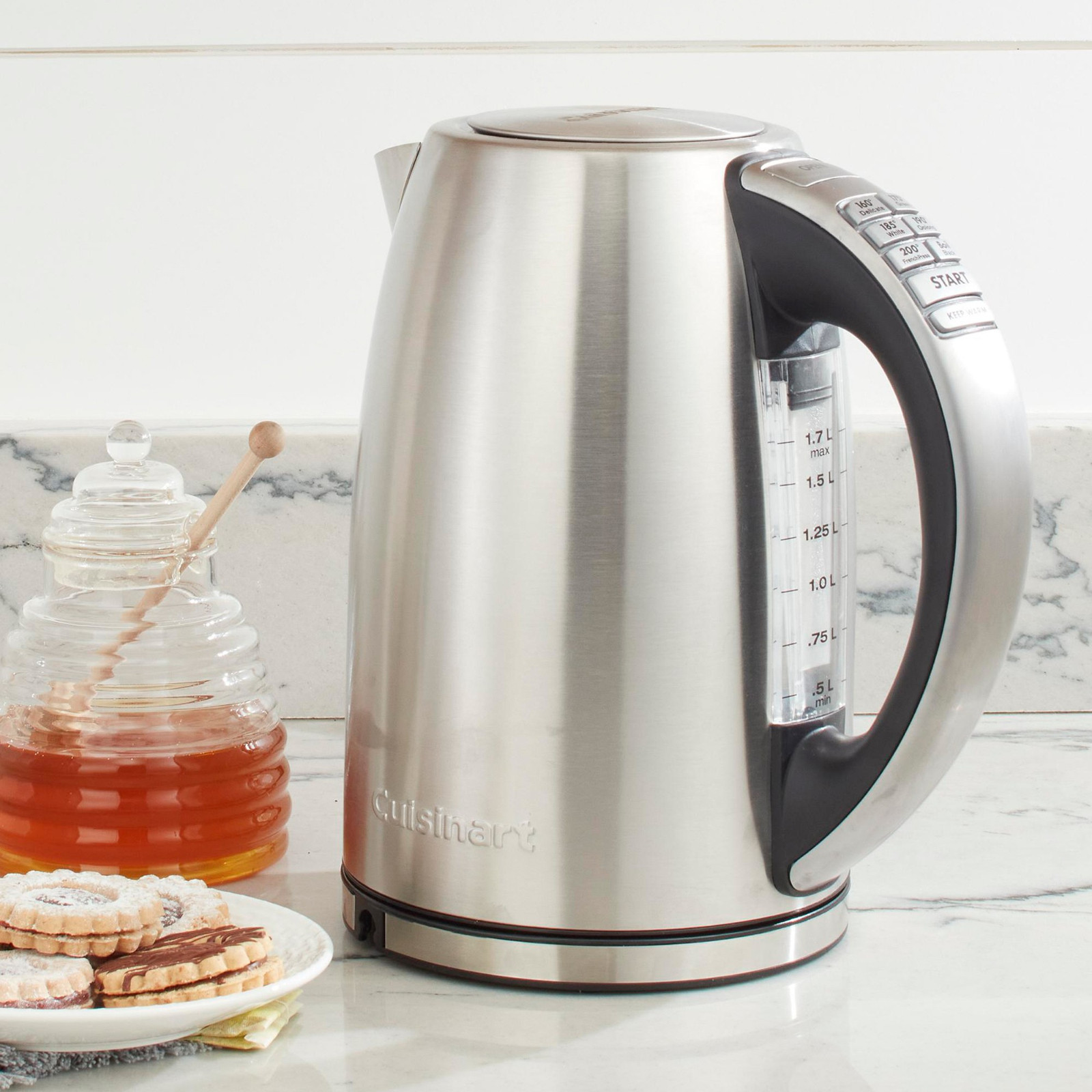
Based on extensive testing and consumer feedback, several electric kettles consistently stand out for their rapid boiling capabilities. For instance, the Hamilton Beach Electric Tea Kettle has been noted for boiling three cups of water in an impressive 3 minutes and 35 seconds. Similarly, the Cuisinart 1.7-Liter Stainless Steel Cordless Electric Kettle achieves similar speeds, boiling three cups in just 3 minutes and 37 seconds. If you’re looking for speed in a more compact package, the Amazon Basics Stainless Steel Electric Kettle, despite its modest 1500W, can bring one liter of water to a boil in approximately 3 minutes and 50 seconds. For those seeking extreme speed for single servings, some 3000W models, like certain Ninja kettles, can boil a single cup in under 50 seconds. The OXO Brew Cordless Glass Electric Kettle also provides rapid boiling for a larger 1.75-liter capacity, typically under 5 minutes.
“In my experience testing countless kettles for KettleExpert.vn, the raw wattage is king for speed, but smart design and capacity also play crucial roles,” shares Dr. Thien An, a seasoned appliance engineer and contributor to KettleExpert.vn. “A 3000-watt kettle will always beat a 1500-watt one when boiling the same volume of water, assuming comparable efficiency in heat transfer.”
Making the Smart Choice: Your Buyer’s Guide to the Fastest Electric Kettle
Choosing the fastest electric kettle isn’t just about raw speed; it’s about finding the fastest one for you.
Assess Your Daily Needs: How Much Water Do You Really Boil?
Consider your typical usage. Do you usually make a single cup of tea, or do you need enough hot water for a family breakfast? If you only need a small amount, a smaller, high-wattage kettle could be your fastest option. If you regularly boil water for multiple servings or cooking, a larger capacity kettle with high wattage will offer overall efficiency.
Balancing Speed with Smart Features
While speed is the primary focus, modern electric kettles offer an array of features. Some faster models might be basic boil-only units, while others offer variable temperature control, “keep warm” functions, and even smart connectivity. Decide which features are essential for your lifestyle. For specific beverages like green tea or pour-over coffee, precise temperature control is invaluable, even if it adds a few seconds to the overall heating time compared to a full-blast boil.
Durability and Brand Reputation
Investing in a well-regarded brand with a reputation for quality ensures that your “fastest” kettle will remain fast and reliable for years to come. Look for robust construction, quality materials, and a good warranty.
Price Point: Speed Doesn’t Always Mean Breaking the Bank
While high-end models with advanced features can be expensive, many reliable and fast electric kettles are available at various price points. Budget-friendly options like the Amazon Basics Stainless Steel Electric Kettle prove that you don’t always need to splurge to get quick boiling performance.
Beyond the Boil: Maximizing Performance and Longevity
Even the fastest electric kettle can benefit from a few smart usage and maintenance tips to ensure it performs optimally and lasts longer.
Only Boil What You Need: The Energy-Saving Secret
While electric kettles are generally energy-efficient due to direct heating and automatic shut-off, only filling the kettle with the exact amount of water you need is the most effective way to save energy and boil water even faster. Why heat extra water if you’re not going to use it?
Descaling for Peak Efficiency
Mineral deposits (limescale) from hard water can build up on the heating element over time, reducing its efficiency and slowing down boiling times. Regular descaling, typically with a vinegar or lemon juice solution, is crucial to maintain your kettle’s optimal performance and speed.
Safe Operation Practices
Always place your kettle on a flat, stable surface away from the edge of the countertop. Ensure the cord is not dangling where it can be pulled. Never immerse the base in water, and always check the water level indicators to avoid overfilling or underfilling.
Electric vs. Stovetop: The Undeniable Speed Advantage
When it comes to boiling water, electric kettles consistently outperform their stovetop counterparts. While a gas stove might take 5 to 10 minutes to bring water to a boil, many electric kettles can accomplish the same task in 2 to 4 minutes, and the fastest ones even quicker for smaller volumes. This significant time difference is a key reason for their widespread adoption and why they are considered a superior choice for rapid hot water. The direct application of heat and minimal energy loss give electric kettles an edge that stovetop methods simply cannot match.
The Everyday Impact: Benefits of a Fast Electric Kettle
Integrating a fastest electric kettle into your daily routine brings a host of benefits that extend far beyond just boiling water.
- Unparalleled Time-Saving: In a busy household, saving even a few minutes can make a big difference, whether it’s for that urgent morning coffee or quickly preparing baby formula.
- Ultimate Convenience: With just the flick of a switch, hot water is ready, often with automatic shut-off allowing you to multi-task.
- Energy Efficiency: Despite their high wattage, electric kettles are surprisingly energy-efficient because they heat water directly and precisely, minimizing wasted energy.
- Versatility: Beyond hot beverages, a fast electric kettle is invaluable for instant noodles, oatmeal, quickly blanching vegetables, or even sterilizing baby bottles.
Frequently Asked Questions (FAQ)
How fast can an electric kettle boil water?
The fastest electric kettles can boil a single cup of water in under 50 seconds and a full 1-liter capacity in approximately 3 to 4 minutes. Boiling times vary based on wattage, water volume, and initial water temperature.
Does higher wattage always mean faster boiling?
Yes, generally, a higher wattage electric kettle will boil water faster than a lower wattage one, assuming all other factors like capacity and efficiency are equal. Kettles typically range from 1000W to 3000W.
Are fast electric kettles energy efficient?
Yes, fast electric kettles are typically very energy efficient. They heat water directly, with minimal heat loss to the surroundings, and most include automatic shut-off features that prevent unnecessary energy consumption once the water reaches boiling point.
What capacity is best for the fastest boil?
For the absolute fastest boil of a small amount of water (e.g., one cup), a compact, high-wattage kettle is ideal. For general household use, a 1.5-1.7 liter kettle with high wattage (2200W+) offers a good balance of speed and capacity.
How do I maintain my fast electric kettle?
Regular descaling (using a mixture of water and vinegar or lemon juice) is essential to remove mineral buildup and maintain optimal heating efficiency. Always empty any remaining water after use and wipe the exterior clean.
Conclusion
The fastest electric kettle is more than just an appliance; it’s a game-changer for anyone who values efficiency and convenience in their daily routine. By understanding the science behind rapid boiling—primarily the crucial role of high wattage and direct heat transfer—and knowing what features to prioritize, you can make an informed decision. From making your morning brew to preparing instant meals, a high-performing electric kettle offers unparalleled speed and energy efficiency. Choose wisely, and enjoy the luxury of perfectly boiled water, in a flash, every single time.