In the bustling world of kitchen appliances, the electric kettle often stands as a humble workhorse. But for those who cherish the subtleties of a perfectly brewed cup of coffee or a delicately steeped tea, a standard kettle simply won’t cut it. Enter the electric gooseneck kettle, a marvel of modern design and engineering that has transformed the art of home brewing. This isn’t just about boiling water; it’s about control, consistency, and crafting an exceptional beverage experience.
From the moment you first lay eyes on a Gooseneck Electric Kettle, its distinctive form hints at its specialized function. The long, slender, and gracefully curved spout, reminiscent of a goose’s neck, is its defining feature, promising a level of pouring precision that traditional kettles can only dream of. But its beauty is far more than skin deep. Beneath its sleek exterior lies a sophisticated blend of technology and thoughtful design, tailored to elevate your daily ritual. Whether you’re a seasoned barista or just beginning your journey into specialty coffee and tea, understanding the nuances of an electric gooseneck kettle is the first step towards unlocking unparalleled flavor in every cup.
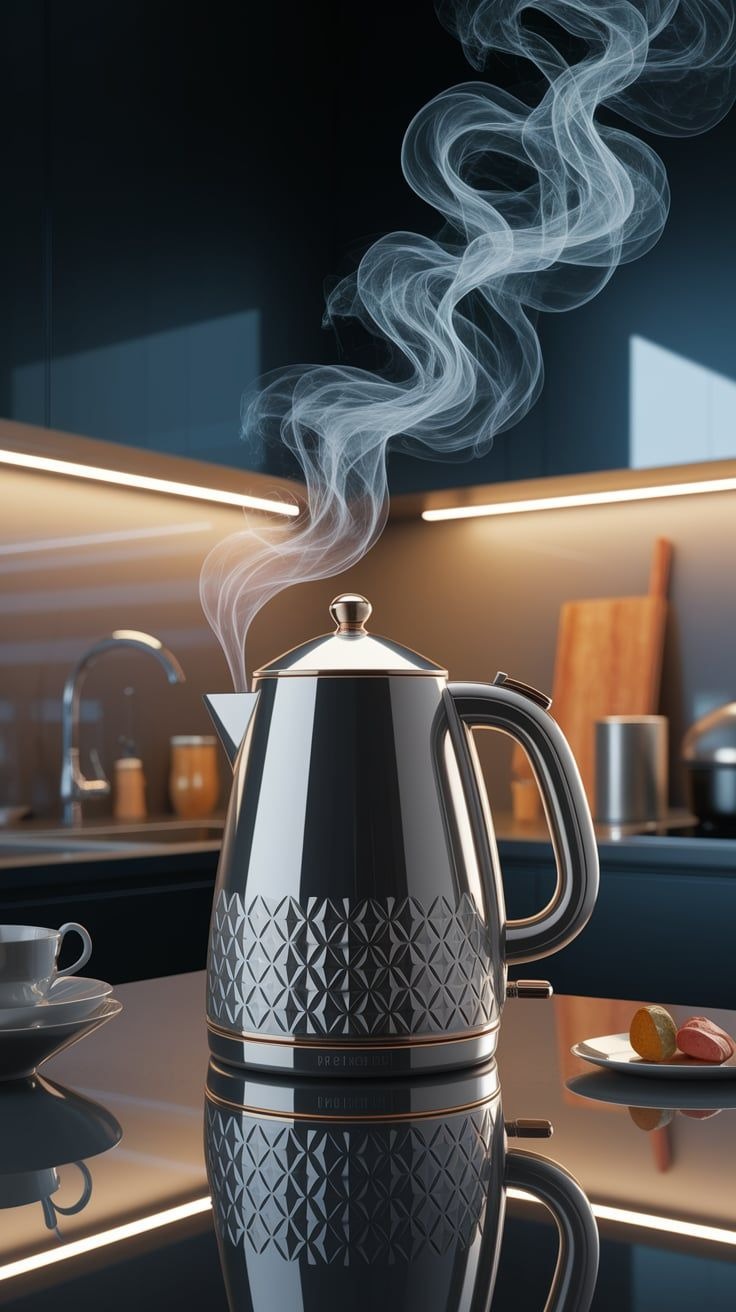
The Evolution of the Electric Kettle: From Basic Boil to Precision Pour
The history of the kettle is a long one, rooted in millennia of human need for hot water. From simple clay pots over open fires to stovetop whistling kettles, the fundamental goal remained the same: to boil water. The advent of the electric kettle in the late 19th and early 20th centuries brought unprecedented convenience and speed to this age-old task. No longer tied to a stovetop, electric kettles became household staples, rapidly heating water with the flip of a switch.
However, as coffee and tea cultures evolved, particularly with the rise of artisanal pour-over coffee methods, a new demand emerged: not just hot water, but precisely controlled hot water. This need spurred the development of the gooseneck kettle. Initially, these were stovetop models, offering the controlled pour but still relying on external heat and often separate thermometers. The true revolution arrived with the integration of electric functionality into the gooseneck design. This fusion combined the convenience and speed of electric heating with the critical precision of the gooseneck spout, giving birth to the modern electric gooseneck kettle we know today. This innovation moved the kettle beyond a mere boiling vessel, transforming it into an indispensable brewing tool for connoisseurs worldwide.
Anatomy of Precision: How an Electric Gooseneck Kettle Works
At the heart of every great electric gooseneck kettle lies a synergy of design and technology, all working in concert to deliver a controlled and consistent pour.
The Distinctive Spout: Your Gateway to Control
The most apparent feature, the long, narrow, and curved gooseneck spout, is engineered for one primary purpose: precise flow control. Unlike traditional kettles that gush water in an uncontrolled stream, the gooseneck allows you to direct the water exactly where you want it, at the speed you desire. This is paramount for methods like pour-over coffee, where an even saturation of coffee grounds is crucial for optimal extraction. The spout’s design, often emerging from the bottom of the kettle, ensures a consistent flow rate regardless of how full the kettle is, providing a level of reliability that broad-spouted kettles simply cannot match.
Advanced Heating Elements and Temperature Control
Modern electric gooseneck kettles are typically equipped with powerful heating elements, often around 1200 watts, allowing them to bring water to temperature swiftly. But speed is only half the story; precision is the other. The true magic lies in their advanced temperature control systems. Many high-end models feature digital displays and allow users to set the water temperature to within a single degree Fahrenheit or Celsius. This is often achieved through sophisticated “logic control” (like PID systems) that carefully modulates heating to reach the target temperature without overshooting.
Some kettles also offer convenient preset temperatures for popular beverages like various teas (green, white, black) and coffee, though it’s worth noting that the accuracy of these presets can vary between brands. The ability to hold a set temperature for an extended period, often up to an hour, is another invaluable feature, ensuring your water is ready for multiple pours or subsequent cups without reheating.
Ergonomics and Safety
Comfort and safety are not afterthoughts in a well-designed electric gooseneck kettle. Ergonomically designed handles, often counterweighted and coated with heat-resistant silicone or rubber, ensure a stable and comfortable grip during pouring, minimizing wrist strain. Furthermore, integrated safety features like automatic shut-off mechanisms prevent overheating and provide peace of mind, especially in busy kitchens.
Unlocking Flavor: Why the Gooseneck Electric Kettle is a Game-Changer
The precision offered by an electric gooseneck kettle isn’t just a fancy gimmick; it’s a fundamental tool for extracting the best possible flavors from your coffee and tea.
For Coffee Enthusiasts: The Art of the Pour-Over
For pour-over coffee, the gooseneck electric kettle is indispensable. The ability to control the flow rate and direction is critical for several stages of the brewing process:
- The Bloom: The initial pour, known as the “bloom,” wets the coffee grounds and allows carbon dioxide to escape. A slow, even pour ensures all grounds are uniformly saturated, preparing them for optimal extraction.
- Even Saturation: Subsequent pours require a steady, circular motion to ensure every coffee particle is equally exposed to hot water. Without this, some grounds might be over-extracted (leading to bitterness), while others are under-extracted (resulting in sourness). The gooseneck spout empowers you to execute this with finesse, preventing “channeling” where water bypasses parts of the coffee bed.
- Extraction Control: By precisely managing the speed and amount of water, you can influence the contact time between water and coffee, directly impacting the final taste profile. “Achieving a balanced extraction is an art, and the gooseneck kettle is the artist’s brush,” notes Dr. Evelyn Reed, founder of Precision Brew Lab and a leading beverage science expert.
For Tea Aficionados: Temperature is Key
Tea brewing is equally temperature-sensitive. Different types of tea require specific water temperatures to coax out their delicate flavors without scorching the leaves or leaving them under-extracted:
- Green and White Teas: These delicate leaves often thrive at lower temperatures, typically between 160°F to 185°F (71°C to 85°C), to prevent bitterness and preserve their nuanced profiles.
- Black and Herbal Teas: More robust varieties can handle higher temperatures, ranging from 200°F (93°C) to a full boil, to ensure maximum flavor release.
An electric gooseneck kettle with variable temperature control eliminates guesswork, allowing you to dial in the perfect heat for every tea, ensuring a consistently delightful cup. This precision guarantees that each type of tea reveals its full character, whether it’s the grassy notes of a Japanese sencha or the malty richness of an Assam black tea.
Consistency and Repeatability
Beyond individual cups, the gooseneck electric kettle offers unparalleled consistency. Once you’ve found your ideal brewing parameters – the perfect temperature, pour rate, and method – you can replicate them precisely every time. This repeatability is a connoisseur’s dream, allowing for fine-tuning recipes and enjoying reliably delicious beverages day after day.
Choosing Your Perfect Companion: A Buying Guide for Electric Gooseneck Kettles
With a growing market of electric gooseneck kettles, finding the right one can feel daunting. Here’s what to look for:
Key Features to Prioritize
- Accurate Variable Temperature Control: This is perhaps the most crucial feature. Look for models that allow precise temperature adjustments (ideally in 1-degree increments) and have accurate sensors. Trustworthy kettles will hit your target temperature and hold it steady.
- “Keep Warm” Functionality: A useful feature that maintains your desired water temperature for a set period (e.g., 30-60 minutes). Ensure it doesn’t automatically reset when the kettle is lifted from its base, which can be inconvenient during multiple pours.
- Ergonomics and Balance: A comfortable, heat-resistant handle and a well-balanced design are essential for steady, controlled pouring, especially when the kettle is full. Look for counterweighted handles for ease of use.
- Capacity: For most pour-over coffee and tea applications, a 1-liter (approximately 34 ounces) capacity is ideal. Larger capacities might be convenient for multiple servings, but ensure they don’t compromise balance.
- Build Quality and Materials: Stainless steel construction is durable and easy to clean. Look for sturdy materials that feel substantial in hand and don’t impart any off-flavors to the water.
- Heating Speed: While most electric kettles boast similar wattage (around 1200W) and rapid boiling times, some variable temperature models might prioritize accuracy over sheer speed, taking a few extra moments to hit the exact temperature.
Popular Models to Consider
- Fellow Stagg EKG Pro Electric Gooseneck Kettle: Often lauded for its striking design, exceptional temperature accuracy, and counterweighted handle. It features an intuitive knob for temperature selection and a robust “keep warm” switch.
- OXO Adjustable Temperature Pour-Over Kettle: Praised for its user-friendly interface, smooth pouring, and comfortable silicone-covered handle. It often includes a handy temperature guide on its base.
- Cosori Electric Gooseneck Kettle: A popular choice offering good value with features like multiple temperature presets and rapid heating, making it accessible for beginners.
- Hario V60 Buono Electric Gooseneck Kettle: While a simpler model, its electric version offers fast boiling and the iconic Hario spout control. Some iterations might lack variable temperature settings, focusing on rapid boiling.
When making your selection, consider your primary use case. If precision for pour-over coffee is paramount, prioritize accurate temperature control and ergonomic pouring. If convenience and speed for general hot beverages are key, a model with efficient heating and user-friendly presets might be a better fit.
Mastering Your Brew: Tips for Using and Maintaining Your Gooseneck Electric Kettle
Owning an electric gooseneck kettle is just the beginning. Mastering its use and ensuring its longevity will further enhance your brewing journey.
Usage Tips for the Perfect Pour
- Practice Your Pouring Technique: The gooseneck spout offers incredible control, but it takes a little practice to harness it. Start with slow, circular motions over your coffee grounds for the “bloom,” ensuring even saturation. For tea, a steady, gentle pour over loose leaves is generally preferred. Experiment with different pour rates to see how they impact your brew.
- Mind Your Temperatures: Always refer to the recommended brewing temperatures for your specific coffee beans or tea leaves. For example, light roast coffees often benefit from slightly hotter water (around 205°F/96°C), while delicate green teas might need cooler water (175°F/79°C). Leverage your kettle’s variable temperature control to hit these targets precisely.
- Use Quality Water: The water you use constitutes about 98% of your coffee or tea. Filtered water is always recommended to avoid off-flavors and minimize mineral buildup (scale) in your kettle.
Maintaining Your Kettle for Longevity and Purity
- Regular Cleaning: Even though your kettle only boils water, it’s not immune to impurities. Hand wash your kettle regularly with non-abrasive soap and rinse thoroughly. Always allow the kettle to cool completely before washing to prevent warping.
- Descaling is Essential: Mineral deposits, particularly calcium carbonate (limescale), can build up over time, affecting performance and potentially imparting off-flavors. You’ll notice it as white, chalky residue. Descale your kettle regularly, especially if you have hard water. A common method is to dissolve two tablespoons of citric acid powder in one quart of water, pour it into the kettle, bring it to a boil, let it sit for 15-30 minutes, then rinse thoroughly.
- Proper Storage: Store your kettle in a dry place. Ensure the lid is not sealed tightly after cleaning to allow for air circulation and prevent moisture buildup.
By following these simple guidelines, your electric gooseneck kettle will continue to be a reliable partner in crafting exquisite beverages for years to come.
Gooseneck vs. Traditional Kettle: The Verdict
The choice between a gooseneck electric kettle and a traditional electric kettle boils down to your brewing habits and priorities.
Traditional Electric Kettle:
- Pros: Rapid boiling for general use (instant noodles, quick tea bags, large volumes), often more affordable, simple operation.
- Cons: Lacks precise pour control, leading to uneven extraction for pour-over coffee and difficulty with delicate tea preparations. Limited temperature control, if any.
Electric Gooseneck Kettle:
- Pros: Superior control over water flow and direction, precise temperature control (often to the degree), “keep warm” functions, ideal for pour-over coffee and specialized tea brewing, aesthetically pleasing.
- Cons: Generally more expensive, slightly slower to reach target temperature if prioritizing accuracy over speed, capacity often smaller.
When do you need a gooseneck electric kettle? If you are serious about pour-over coffee, specialty loose-leaf teas, or any brewing method that benefits from precise water delivery and temperature, an electric gooseneck kettle is an invaluable investment. It provides the tools necessary to unlock the full potential of your ingredients, transforming a simple drink into an artisanal experience. For basic boiling needs where precision isn’t a factor, a regular electric kettle remains perfectly adequate. However, for those seeking to elevate their daily brew to an art form, the electric gooseneck kettle is truly a game-changer.
FAQs about Electric Gooseneck Kettles
Q: Do I really need an electric gooseneck kettle, or can a regular kettle work for pour-over coffee?
A: While you can use a regular kettle for pour-over, an electric gooseneck kettle offers vastly superior control over water flow and temperature. This precision is crucial for achieving even saturation of coffee grounds, leading to better extraction and a more balanced, flavorful cup. If you’re serious about pour-over, it’s a worthwhile investment.
Q: How does a gooseneck kettle control the flow rate of water so effectively?
A: The secret lies in its unique design. The long, narrow spout allows water to exit in a consistent, controlled stream, less affected by how full the kettle is or the angle at which you pour. This enables you to precisely direct water and manage its speed, which is key for delicate brewing techniques.
Q: How often should I clean my electric gooseneck kettle?
A: Regular cleaning is recommended after a few uses, and descaling (removing mineral buildup) should be done periodically, especially if you live in an area with hard water. You’ll notice scale as white, chalky deposits inside the kettle. Using a citric acid solution is an effective way to descale.
Q: Does an electric gooseneck kettle whistle when the water boils?
A: No, electric gooseneck kettles typically do not whistle. Instead, most models will automatically shut off once they reach boiling point or your set target temperature, usually accompanied by a soft click or an indicator light. Models with a “keep warm” function will maintain the temperature without constant re-boiling.
Q: What’s the ideal water temperature for brewing coffee and different types of tea?
A: For most coffee, an ideal temperature range is between 195°F and 205°F (90°C-96°C). For green and white teas, cooler temperatures of 160°F to 185°F (71°C-85°C) are best to prevent bitterness. Black and herbal teas can handle hotter water, typically around 200°F (93°C) to boiling. Your electric gooseneck kettle’s variable temperature control makes hitting these precise temperatures easy.
Conclusion
The electric gooseneck kettle stands as a testament to how specialized design and smart technology can profoundly enhance our everyday rituals. Far from being just another kitchen gadget, it is an essential tool for anyone passionate about crafting the perfect cup of coffee or tea. With its unparalleled precision in pouring and accurate temperature control, the gooseneck electric kettle empowers you to unlock deeper flavors, ensure remarkable consistency, and transform your brewing process into a mindful and enjoyable experience. As consumers become increasingly discerning about the quality of their beverages, the electric gooseneck kettle is poised to become an indispensable staple in kitchens, elevating daily sips into moments of pure brewing artistry. Invest wisely, master its use, and embark on a journey to an always-perfect brew.