There’s something incredibly comforting about a warm cup of tea, a perfectly steeped coffee, or a quick bowl of oatmeal on a chilly morning. It all starts with boiled water, but have you ever stopped to think about what exactly is happening inside your trusty electric kettle? In an age where we’re increasingly aware of what we put into our bodies, the choice of a non-toxic electric kettle isn’t just a trend; it’s a fundamental step towards a healthier lifestyle. Gone are the days when any old kettle would do. Today, savvy consumers are looking beyond just speed and aesthetics, delving into the materials that come into contact with their drinking water. This guide will help you navigate the world of electric kettles, ensuring your daily brew is as pure and healthy as possible.
The Quiet Revolution: Why Non-Toxic Matters
For years, many of us didn’t give a second thought to the plastic components inside our kettles. They were convenient, lightweight, and affordable. However, growing research and consumer awareness have sparked a quiet revolution. People are now demanding kitchen appliances that don’t just perform well but are also safe for long-term use.
What Makes a Kettle “Toxic”?
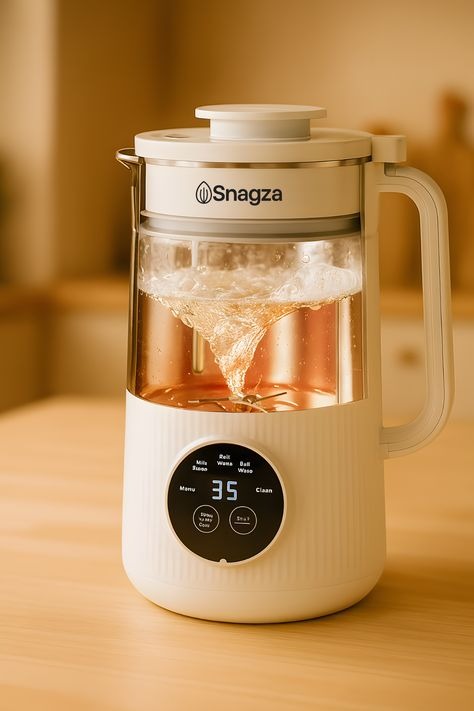
The primary concern with conventional electric kettles often revolves around plastic parts that come into direct contact with boiling water. Plastics, especially when heated, can leach chemicals such as BPA (Bisphenol A) and phthalates. Even “BPA-free” plastics aren’t entirely off the hook, as they can sometimes contain other chemical substitutes with similar endocrine-disrupting properties. These chemicals can subtly alter the taste of your water and, more importantly, raise questions about long-term health implications. Beyond plastics, lower-grade stainless steel can sometimes rust or impart a metallic taste, further compromising the purity of your water. Choosing a non-toxic electric kettle is about mitigating these risks and ensuring your water remains unadulterated.
A Brief History of Kettle Materials
Electric kettles have come a long way since their inception. Early electric models often featured basic metal bodies and internal heating elements. As plastics became widely available and cost-effective, they found their way into kettle construction, offering lighter designs and more intricate shapes. However, this convenience came with a hidden cost: the potential for chemical leaching. Today, the industry is witnessing a strong resurgence of traditional, inert materials like glass and high-grade stainless steel, driven by consumer demand for healthier, safer alternatives.
Deciphering the Materials: Your Non-Toxic Choices
When searching for a non-toxic electric kettle, understanding the core materials is paramount. Each material offers a distinct set of advantages and considerations.
Stainless Steel: The Durable Standard
Stainless steel is a popular choice for its durability, quick heating, and sleek aesthetic. However, not all stainless steel is created equal. For a truly non-toxic option, you need to look for food-grade stainless steel, specifically grades 304 (also known as 18/8) or 316 (18/10). These grades contain chromium and nickel, which create a passive layer that resists corrosion and prevents leaching.
- Pros: Highly durable, rust-resistant, heats water quickly, retains heat well, doesn’t impart flavors.
- Cons: Opaque (you can’t see the water level directly unless there’s a window), exterior can get hot to the touch.
It’s crucial to ensure that all interior surfaces that touch the water – including the lid, inner spout, and any internal filters – are made of 304 or 316 stainless steel. Some manufacturers may use high-grade steel for the body but cheaper plastics for the lid, which negates the non-toxic benefit.
Glass: Purity You Can See
Glass electric kettles have surged in popularity, primarily because they offer complete visual clarity and an undeniable sense of purity. The best glass kettles use borosilicate glass, which is renowned for its durability and resistance to thermal shock. It’s an inert material, meaning it won’t leach chemicals or impart any flavors into your water, making it an excellent choice for a non-toxic electric kettle.
- Pros: Visually appealing, inert material (no leaching), easy to clean, allows you to see the boiling process.
- Cons: More fragile than stainless steel (prone to breaking if dropped), can be heavier.
As with stainless steel kettles, pay close attention to any components that meet the water, such as the lid or base, ensuring they are also made of non-toxic materials like stainless steel or silicone gaskets that are food-grade and minimal.
Ceramic: The Artisanal Touch
Ceramic kettles offer a charming, often handcrafted aesthetic that can beautifully complement traditional or rustic kitchen decors. Like glass, ceramic is an inert material, naturally non-toxic, and won’t leach chemicals into your water. They often come in various colors and designs, making them a stylish choice.
- Pros: Naturally inert and non-toxic, elegant and unique appearance, excellent heat retention.
- Cons: Heavier and more fragile than stainless steel, typically slower to boil, can be more expensive.
When considering a ceramic kettle, ensure the glaze is lead-free and cadmium-free, as these heavy metals can be a concern in lower-quality ceramic products.
The “No Plastic Contact” Principle
The golden rule for choosing a truly non-toxic electric kettle is to opt for a design where no plastic touches the water. Even if a kettle is labeled “BPA-free,” other plasticizers or chemicals could still potentially leach into your water, especially at boiling temperatures. This principle means meticulously checking the lid (is there an inner plastic lining?), the spout filter (is it stainless steel mesh or plastic?), and the water level indicator (is it external, or made of glass/stainless steel, rather than an internal plastic strip?). Many reputable brands now specifically highlight “plastic-free interior” or “100% food-grade stainless steel interior” in their product descriptions, making this search much easier.
Inside Your Kettle: How Technology Meets Safety
Beyond materials, the internal workings of an electric kettle contribute to both its efficiency and safety. Modern kettles integrate features that enhance user experience while maintaining the integrity of your non-toxic choice.
Heating Elements and Controls
A critical component of any electric kettle is its heating element. For a non-toxic electric kettle, look for models with a concealed heating element. This means the heating coil is located beneath a flat, stainless steel base at the bottom of the kettle. This design not only makes the kettle easier to clean but, more importantly, prevents water from coming into direct contact with the heating coils themselves, ensuring purity. Essential safety features like automatic shut-off (when water boils or the kettle is lifted) and boil-dry protection (to prevent damage if it turns on empty) are standard in most quality electric kettles and are critical for safe operation.
The Variable Temperature Edge
While not directly related to non-toxicity, many advanced electric kettles now offer variable temperature control. This feature allows you to select specific temperatures, ideal for different types of teas (green tea needs lower temperatures than black tea) or pour-over coffee. This technology is typically housed in the base and doesn’t affect the interior material where water is boiled, so it generally doesn’t compromise the non-toxic design of the kettle itself. It simply adds another layer of versatility to your brewing experience.
Your Smart Buying Guide for a Non-Toxic Electric Kettle
Making an informed decision about your next non-toxic electric kettle involves considering several key factors. Here’s a checklist to help you choose wisely:
- Check the Interior Materials First: Prioritize kettles made entirely of 304 or 316 food-grade stainless steel, or high-quality borosilicate glass for all water-contacting surfaces.
- Scrutinize the Lid and Spout: These are common areas where manufacturers cut corners. Ensure they are also made of safe materials (stainless steel, glass) or are specifically designed so that plastic components do not touch the boiling water or steam.
- Heating Element Matters: Always opt for a concealed stainless steel heating element for both safety and easy cleaning.
- Capacity and Speed: Choose a capacity that suits your household size and frequency of use. While speed is generally high for electric kettles, material choice can sometimes influence it slightly.
- Brand Reputation: Stick with reputable brands known for quality kitchen appliances and transparency about their materials. Reading brand-specific reviews can offer insights into long-term performance and customer service.
- User Reviews: Don’t underestimate the power of real-world feedback. User reviews often highlight issues like metallic taste, plastic odors, or early rusting that might not be apparent from product descriptions alone. Look for comments specifically addressing the “non-toxic” aspects.
- Warranty: A good warranty indicates a manufacturer’s confidence in their product’s durability and quality.
Our Picks for the Best Electric Kettle in 2026As an Amazon Associate I earn from qualifying purchases.Num Product Action 1 Gourmia Electric Programmable Glass Kettle – 1.7L Temperature Control Tea & Coffee Kettle with Digital Touch Display, 6 Presets, Keep Warm, Removable Stainless Steel Infuser, 360° Swivel Base – Peach 
2 COSORI Electric Kettle, Stainless Steel Tea Kettle, Plastic-free Inner Lid, Filter and Spout, Easy to Clean, Automatic Shut Off & Boil-Dry Protection, Hot Water Boiler & Heater, 1.7L, 1500W
3 NutriChef Water Boiler and Hot Water Dispenser, 8L Electric Beverage Dispenser with Safety Lock Lid, Non-Drip Tap, Warm Function, Food Grade Stainless Steel, Home & Commercial Use, 19\"x9\"x9\", Silver
4 Chefman Electric Kettle with Temperature Control, 5 Presets LED Indicator Lights, Removable Tea Infuser, Glass Tea Kettle & Hot Water Boiler, 360° Swivel Base, BPA Free, Stainless Steel, 1.8 Liters
5 Cuisinart Soho 1-Liter Double Wall Electric Hot Water Kettle, Tea Kettle with Stainless Steel Interior, One Touch Operation to Boil Water for Tea, Hot Cocoa, or Instant Oatmeal, CK-10TR, Truffle
6 OVENTE Electric Kettle, 1.7L Fast Boiling Water Heater for Coffee or Tea, BPA Free with Water Level Gauge, Auto Shut-Off, Boil-Dry Protection, Indicator Light and Removable Filter, White KP72W
7 Cosori Electric Kettle, No Plastic Filter & Spout, 1.8Qt Tea Kettle & Hot Water Boiler For Coffee & Tea, Water Heater & Teapot, Automatic Shut Off, Borosilicate glass, Black, 1500W
8 Chefman Electric Kettle, 1.8L 1500W, Hot Water Boiler, Removable Lid for Easy Cleaning, Auto Shut Off, Boil-Dry Protection, Stainless Steel Filter, BPA Free, Borosilicate Glass Electric Tea Kettle
9 Kndko Electric Kettle,Temperature Adjustmenet, Stainless Steel Filter and Kettle,1.7L Tea Kettle & Hot Water Boiler For Coffee & Tea, Automatic Shut Off, 1500W, Silver
10 Cuisinart PerfecTemp 1.7-Liter Electric Kettle, Cordless Electric Tea Kettle, 1500W for Fast Heat-Up, 6 Preset Temperatures, 30-Minute Keep Warm, Stay Cool Nonslip Handle, CPK-17P1
Maintaining Purity: Care and Longevity
Even the best non-toxic electric kettle requires proper care to maintain its performance and purity. Regular maintenance ensures you continue to enjoy clean, pure-tasting water for years to come.
Regular Cleaning
Over time, mineral deposits (limescale) from hard water can build up inside your kettle. This buildup not only looks unsightly but can also reduce heating efficiency and potentially affect water taste.
- Descaling: A simple and effective method is to fill the kettle with equal parts white vinegar and water. Bring it to a boil, then let it sit for at least 30 minutes (or longer for heavy buildup). Empty, rinse thoroughly multiple times, and boil clean water a couple of times to remove any vinegar smell. Alternatively, you can use citric acid powder dissolved in water.
- Exterior Cleaning: Wipe the exterior with a damp cloth. For stainless steel, a specialized cleaner can maintain its shine.
Storage
Always empty your kettle after use and allow it to dry completely. Storing it dry helps prevent mineral buildup and avoids any stagnant water smells, ensuring your water is always fresh.
Avoiding Cross-Contamination
Your electric kettle is designed for boiling water. Avoid heating other liquids like milk, soup, or flavored beverages, as these can leave residues that are difficult to clean and may affect the purity and taste of subsequent water boils.
The Non-Toxic Advantage: Beyond Just Boiling Water
The decision to invest in a non-toxic electric kettle goes far beyond simply heating water. It’s a choice that impacts your health, your daily rituals, and even the environment.
Health Benefits
The most significant advantage is the peace of mind that comes from knowing your water is free from potentially harmful chemicals. Eliminating BPA, phthalates, and microplastics from your daily hydration contributes to a cleaner internal environment, supporting your overall health and wellness. This proactive step ensures that every sip of hot water is pure and safe.
Taste Purity
Have you ever noticed a faint plastic or metallic taste in water boiled from certain kettles? A non-toxic model eliminates these unwanted flavors, allowing the true, clean taste of water to shine through. This makes a remarkable difference in the quality of your tea, coffee, and other beverages, enhancing their natural aromas and flavors.
Environmental Impact
By choosing a durable, high-quality non-toxic electric kettle made from materials like stainless steel or borosilicate glass, you’re investing in an appliance that’s built to last. This reduces the frequency of replacements, leading to less waste and a smaller environmental footprint. It’s a sustainable choice that benefits both you and the planet.
“Choosing a non-toxic electric kettle isn’t just about avoiding harm; it’s about actively enhancing your daily wellness routine and respecting the purity of what you consume,” says Dr. Emily Chen, a leading environmental health specialist and advocate for sustainable living. Her insights underscore the profound impact these choices have on our well-being.
Frequently Asked Questions (FAQ)
- Q: Are all stainless steel kettles non-toxic?
- A: No, only food-grade stainless steel (like 304 or 316) is recommended for a non-toxic electric kettle. Lower grades can leach metals or rust over time, compromising water purity.
- Q: What about BPA-free plastic kettles?
- A: While BPA-free, many plastics can still leach other endocrine-disrupting chemicals, especially when heated. For true non-toxicity, it’s best to opt for kettles with absolutely no plastic touching the water.
- Q: How often should I descale my non-toxic electric kettle?
- A: This depends on your water hardness and usage, but generally, descaling every 1-3 months is a good practice. You’ll know it’s time when you start seeing visible mineral buildup inside.
- Q: Can a non-toxic electric kettle improve the taste of my tea or coffee?
- A: Absolutely! By eliminating plastic or metallic leaching, your water will taste purer, allowing the true flavors and aromas of your favorite beverages to shine through, significantly enhancing your drinking experience.
- Q: Is glass more fragile than stainless steel for kettles?
- A: Yes, borosilicate glass is durable against thermal shock but is more susceptible to breaking if dropped or knocked against a hard surface. Stainless steel is generally more robust against physical impact and offers greater longevity in terms of breakage.
- Q: Are there any non-toxic electric kettles made completely without plastic?
- A: Finding a kettle with absolutely zero plastic components (even in switches or small gaskets) can be challenging. However, many models offer a “plastic-free water contact” design, where only inert materials like glass or stainless steel come into contact with the boiling water and steam, providing the closest option to a fully plastic-free experience.
Conclusion
In a world filled with choices, prioritizing your health often means looking closely at the small details of your daily life. The non-toxic electric kettle stands as a testament to this commitment, offering a simple yet profound way to ensure the purity of the water you consume. By choosing models crafted from high-grade stainless steel, borosilicate glass, or ceramic, and adhering to the “no plastic contact” principle, you’re not just buying an appliance; you’re investing in better health, superior taste, and greater peace of mind. Make an informed decision today, and elevate your everyday hydration to a new standard of purity and safety.