In our fast-paced lives, convenience often reigns supreme, especially when it comes to the simple pleasures of a perfectly brewed cup of tea or coffee. Forget waiting for water to boil on the stove; the electric kettle has revolutionized how we get our hot water, blending speed, efficiency, and smart features into a sleek kitchen essential. But with a myriad of options flooding the market, how do you truly find The Best Electric Kettle for your home? Let’s dive deep into the world of these indispensable appliances, transforming you into a true kettle connoisseur.
A Whistling Journey: The History and Evolution of Electric Kettles
While the concept of boiling water in a vessel dates back millennia, the electric kettle is a relatively modern marvel. Early civilizations used bronze or iron kettles over open flames. The late 19th century marked a pivotal shift with the advent of electricity in homes. In 1891, the Carpenter Electric Heating Manufacturing Company unveiled one of the first electric kettles, though it was still quite basic, with the heating element in a separate compartment. A key improvement came in 1922 when Swan Corporation introduced an electric tea kettle with a built-in heating element, a design that quickly gained traction.
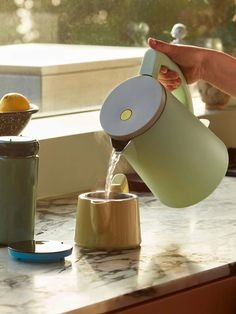
The true game-changer arrived in the mid-20th century. By the 1950s, electric kettles, particularly in tea-loving nations, became a household staple. Innovations like Arthur Leslie Large’s automatic cut-off feature in 1922 and Russell Hobbs’ K1 in 1956, the first fully automatic kettle with a bimetallic strip for power cut-off, vastly improved safety and user-friendliness. Fast forward to today, and electric kettles boast precise temperature control, sleek designs, and even smart connectivity, showcasing a remarkable journey of technological refinement.
The Inner Workings: How Electric Kettles Bring Water to a Boil
Ever wondered about the magic that happens when you flick that switch? The science behind an electric kettle’s rapid heating is quite fascinating and surprisingly straightforward.
At its core, every electric kettle houses a heating element, typically a concealed coil at the base. When plugged in and switched on, an electric current flows through this coil. Due to the coil’s electrical resistance, electrical energy is transformed into heat. This heat is then directly transferred to the water through conduction, causing it to warm up rapidly.
Most modern electric kettles are equipped with a thermostat sensor and/or a steam sensor. The thermostat precisely detects when the water reaches its boiling point, usually 100°C (212°F). Once this temperature is achieved, it triggers an automatic shut-off mechanism, preventing overheating and dry boiling. A steam sensor works by detecting the steam produced at boiling, which also activates the automatic power cut-off. Additionally, many kettles feature insulated walls to help retain heat and ensure the exterior remains cool to the touch, enhancing safety. This clever combination of components ensures quick, safe, and efficient boiling every time.
Popular Types of Electric Kettles: Finding Your Perfect Match
Choosing the best electric kettle often starts with understanding the different types available and what they offer.
- Non-Variable Electric Kettles: These are your classic “boil-only” kettles. Simple, straightforward, and generally more affordable, they are perfect for those who just need piping hot water quickly.
- Variable Temperature Electric Kettles: If you’re a connoisseur of different hot beverages, a variable temperature kettle is a game-changer. These allow you to select precise temperatures (e.g., 175°F for green tea, 195°F for oolong, 200°F for French press coffee), ensuring you hit the sweet spot for flavor extraction. They tend to be a bit pricier but offer unmatched versatility.
- Gooseneck Electric Kettles: A favorite among pour-over coffee enthusiasts, gooseneck kettles feature a slender, curved spout designed for controlled, precise pouring. This slow, steady stream is crucial for evenly saturating coffee grounds, leading to a superior brew. They often come with variable temperature settings.
- Glass Electric Kettles: These kettles offer a sleek, modern aesthetic and the satisfying visual of water bubbling to a boil. They are generally easy to clean and don’t impart any flavors, but keep in mind that glass isn’t as good at heat retention as insulated stainless steel, and they can be more fragile.
- Stainless Steel Electric Kettles: A popular choice for their durability, resistance to corrosion, and excellent heat retention. They come in various finishes and often boast a timeless look, making them a robust and reliable option.
- Smart Electric Kettles: Bringing connectivity to your kitchen, smart kettles can be controlled via smartphone apps, allowing you to schedule boiling times, set precise temperatures, and even integrate with voice assistants. These are for the tech-savvy who appreciate ultimate convenience.
Your Guide to Choosing the Right Electric Kettle
Picking the best electric kettle involves more than just aesthetics. Consider these crucial factors to make an informed decision:
Temperature Control and Presets
For specialized beverages, precise temperature control is paramount. Variable temperature models offer a range of settings, often with presets for different tea types or coffee, ensuring optimal flavor extraction. If you only need boiling water, a non-variable kettle suffices.
Boiling Speed and Wattage
The higher the wattage, the faster your water will boil. Kettles with 1500 watts or more typically offer rapid boiling, a blessing during busy mornings. “When every second counts, a high-wattage kettle can be your best friend,” says expert Olivia Chen, a seasoned appliance reviewer.
Capacity
Electric kettles come in various sizes, from compact 0.5-liter models ideal for travel or a single cup to larger 1.7-liter or even 2-liter options for families or entertaining. A 1.7-liter capacity is often considered the sweet spot for most households, offering enough water for multiple servings without being overly bulky.
Material
- Stainless Steel: Highly durable, rust-resistant, and excellent at retaining heat. It’s a safe and long-lasting choice.
- Glass: Offers a stylish, transparent design and easy cleaning. However, it’s more fragile and may not retain heat as well as double-walled stainless steel.
- Plastic: Often the most lightweight and affordable, but ensure it is BPA-free to avoid potential chemical leaching, and be aware that lower-quality plastics can sometimes impart an unpleasant taste.
Safety Features
Safety is paramount. Look for:
- Automatic Shut-off: The kettle turns off once water boils or reaches a set temperature.
- Boil-Dry Protection: Prevents the kettle from heating when empty, protecting the element and preventing accidents.
- Cool-Touch Exterior: Especially important for double-walled stainless steel models or those with insulated designs, reducing burn risks.
- Sturdy Handle and Stable Base: Ensures easy and safe pouring, reducing spills.
Ease of Use and Design
An intuitive interface makes a big difference. Dials are often preferred for variable temperature settings for their simplicity, though well-labeled button panels can also be effective. A comfortable, ergonomic, and non-slip handle is essential for safe pouring. A wide opening facilitates easy filling and cleaning, and a drip-free spout prevents messy countertops.
Keep Warm Function
Many variable temperature kettles include a “keep warm” function that maintains the water at a set temperature for a period, typically 20 to 60 minutes, which is incredibly convenient for multiple servings.
Noise Level
While all kettles make some noise as water heats, some models are specifically designed for quieter operation, a valuable feature for open-plan living spaces or early risers.
Filter
A removable mesh filter at the spout can help trap limescale deposits, ensuring cleaner water and beverages.
Electric Kettle vs. Traditional Methods: The Modern Advantage
The debate between electric and stovetop kettles often boils down to a few key advantages of the electric model.
Speed and Efficiency
Electric kettles typically heat water faster than their stovetop counterparts. This is because their heating element is often immersed directly in the water or very close to it, minimizing heat loss to the surrounding air. “Modern electric kettles can boil water in under five minutes, a significant time-saver compared to a stovetop hob,” notes culinary gadget specialist, Dr. Kenji López-Alt. They are also often more energy-efficient, using electricity directly and with good insulation to retain heat, sometimes reducing energy consumption by up to 80% compared to traditional stovetop boiling when used mindfully.
Convenience and Safety
The automatic shut-off and boil-dry protection features in electric kettles offer unparalleled convenience and safety, eliminating the need for constant monitoring. Their cordless design (when lifted from the base) makes them portable and easy to serve anywhere. Stovetop kettles, while durable and useful in off-grid situations like camping, require continuous attention and lack these automated safety measures.
Using and Maintaining Your Electric Kettle for Longevity
To ensure your electric kettle provides years of reliable service and continues to be the best electric kettle for your needs, proper use and maintenance are key.
The “Dos”:
- Always use clean, cold water: This helps prevent mineral buildup.
- Empty unused water: Don’t leave stagnant water in the kettle.
- Clean regularly: Prevent limescale and maintain efficiency.
- Unplug when not in use: A simple safety and energy-saving habit.
- Use on a flat, stable surface: Prevents tipping and spills.
The “Don’ts”:
- Never overfill: Water could spill and cause electrical hazards.
- Don’t boil anything other than water: Unless specifically designed for it, boiling milk, soup, or other liquids can damage the kettle and create residue.
- Avoid placing near flames: Electric kettles are designed for electrical outlets, not stovetops.
- Never immerse the base in water: This can damage electrical components.
- Don’t switch on when empty: This triggers boil-dry protection and can prematurely wear out the heating element.
Maintenance Tips: Keep Your Kettle Performing Like New
- Descaling: Limescale (mineral deposits from hard water) can build up inside your kettle, reducing its efficiency and lifespan. Once a month, boil a mixture of equal parts water and white vinegar or a dedicated descaling solution. Let it sit for 15-30 minutes, then rinse thoroughly.
- Rinse Thoroughly: After descaling, boil fresh water once or twice and discard to ensure no lingering taste.
- Wipe the Exterior: Use a soft, damp cloth to keep the outside clean. Always keep the power base dry.
- Check the Power Cord: Periodically inspect for any signs of damage or fraying to ensure safe operation.
Benefits and Everyday Applications
Integrating the best electric kettle into your daily life extends beyond just a quick cup of tea. It’s about enhancing efficiency, safety, and the quality of your hot beverages. From brewing the perfect temperature green tea to quickly rehydrating dried foods, or simply getting a head start on boiling water for pasta, an electric kettle saves precious time and energy. Its precision, speed, and safety features make it an invaluable tool for modern kitchens, simplifying everyday tasks and elevating your daily rituals.
Frequently Asked Questions
How long does an electric kettle typically last?
With proper care and regular descaling, a good quality electric kettle can last for several years, often between 2 to 5 years, though some premium models can last even longer.
Can you boil milk or soup in an electric kettle?
Generally, no. Most electric kettles are designed only for water. Boiling milk or soup can cause residue buildup, damage the heating element, and may pose a fire hazard.
How fast do electric kettles boil water?
Most electric kettles can bring a standard amount of water (around 3-4 cups) to a boil in under 5 minutes, with some high-wattage models being even faster.
Is descaling an electric kettle really necessary?
Yes, absolutely. Descaling regularly, especially in hard water areas, prevents mineral buildup (limescale) that can impair your kettle’s efficiency, extend boiling times, and shorten its lifespan.
Are electric kettles healthy to use?
Yes, electric kettles made from high-quality stainless steel or borosilicate glass are considered very healthy and safe. If choosing a plastic kettle, opt for models explicitly labeled BPA-free to minimize concerns about chemical leaching.
Conclusion
Finding the best electric kettle is about balancing your needs with features, design, and budget. From the rapid boil of a non-variable model to the precise temperature control of a gooseneck for pour-over coffee, there’s a perfect electric kettle out there for everyone. By understanding how they work, what features matter most, and how to maintain them, you can make a smart purchasing decision that enhances your daily life. Embrace the convenience, efficiency, and safety that a quality electric kettle brings, making every hot beverage experience a truly enjoyable one.