Imagine waking up in a cozy hotel room or a remote cabin, craving your favorite hot cup of coffee or a comforting herbal tea. With a Travel Electric Kettle, this isn’t just a dream; it’s your reality, ensuring you can enjoy a warm beverage exactly how you like it, no matter where your adventures take you. These compact, often mighty little appliances are quickly becoming a staple for smart travelers, offering unparalleled convenience and peace of mind on the go.
Why Every Traveler Needs a Travel Electric Kettle
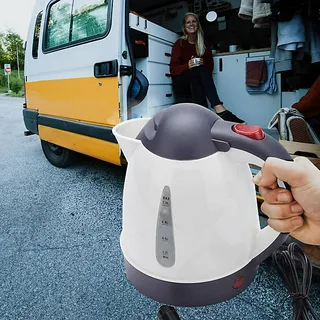
For seasoned globetrotters, business travelers, or even just weekend adventurers, a travel electric kettle can transform your travel experience. It’s more than just a device to boil water; it’s a personal comfort zone in a new environment.
Unmatched Convenience and Speed
One of the biggest advantages of a travel electric kettle is its sheer convenience. It heats water rapidly, often faster than a microwave or a hotel coffeemaker, meaning your tea or instant meal is ready in minutes. Whether you need hot water for a morning coffee, a late-night tea, or to rehydrate a freeze-dried meal on a camping trip, these kettles deliver quickly and efficiently, saving you precious time and hassle.
Hygiene and Peace of Mind
Let’s be honest, the cleanliness of hotel kettles can be a mystery. With your own travel electric kettle, you have complete control over hygiene. You know exactly what’s been boiled in it, ensuring your water is clean and safe for your consumption. This is especially important for those with dietary restrictions or specific health concerns, providing an essential layer of comfort and safety while away from home.
Cost Savings on the Go
Regularly buying hot beverages, whether from airport cafes or hotel room service, can quickly add up. A travel electric kettle allows you to make your own drinks, instant noodles, or oatmeal using your preferred ingredients, significantly cutting down on daily expenses. Over a long trip, these small savings can truly make a difference, leaving more in your pocket for experiences.
Understanding Your Options: Types of Travel Electric Kettles
The market for travel electric kettles has expanded, offering a variety of designs and features to suit different travel styles. Knowing the various types can help you pinpoint the perfect companion for your journeys.
Compact Mini Kettles: The Classic Choice
These are the most common form of travel electric kettle. Typically made from stainless steel or durable plastic, they are scaled-down versions of their kitchen counterparts, designed to be lightweight and fit easily into luggage. Their simple, robust design makes them a reliable option for many travelers.
Collapsible Silicone Kettles: Space-Saving Marvels
For those obsessed with maximizing luggage space, collapsible silicone kettles are a game-changer. These innovative kettles feature a food-grade silicone body that can be squashed down to a fraction of its size when not in use. While incredibly compact, they still offer the full functionality of a traditional travel electric kettle.
Dual Voltage Kettles: Your International Companion
If your travels take you across continents, a dual voltage travel electric kettle is indispensable. These kettles can automatically or manually switch between different voltage standards (e.g., 110-120V and 220-240V), ensuring they work safely and effectively in various countries without the need for a voltage converter. Always check the kettle’s specifications and ensure you have the correct plug adapter for your destination.
Kettles with Temperature Control: For the Connoisseur
For tea lovers or those with specific brewing needs, some advanced travel electric kettle models come with variable temperature control. This allows you to heat water to precise temperatures, perfect for delicate green teas, French press coffee, or baby formula, enhancing your beverage experience even when you’re far from home.
What to Look for: Key Features of a Great Travel Kettle
Choosing the right travel electric kettle can feel like a quest, but focusing on a few key features will guide you to your ideal travel buddy.
Size and Portability: Beyond the Basics
Naturally, a travel kettle should be compact and lightweight. Consider the dimensions when packed and how much space it will occupy in your suitcase or backpack. Models that are truly small, or even better, collapsible, are prime candidates for minimizing bulk.
Voltage Compatibility: A Must for Global Trekkers
As mentioned, dual voltage capability is crucial for international travel. If you’re only traveling domestically, a single voltage kettle is fine. However, for worldwide adventures, a kettle that handles both 110-120V and 220-240V is non-negotiable. Don’t forget to pack the appropriate plug adapters for the outlets in your destination countries.
Material Matters: Durability and Safety
Common materials include stainless steel, BPA-free plastic, and food-grade silicone. Stainless steel offers durability and a classic look, while silicone allows for collapsibility. Ensure any plastic components are certified BPA-free for health safety. The material choice often impacts the kettle’s weight and how easily it can be cleaned.
Capacity: Finding Your Sweet Spot
Travel electric kettles typically have smaller capacities, ranging from 0.5 liters to 1 liter. A 0.5-liter kettle is perfect for one person, while a 1-liter capacity can serve two or allow for multiple cups without refilling. Consider how much hot water you typically need for your travel activities.
Safety Features: Boil-Dry Protection and Auto-Shutoff
These are critical features for any electric kettle, especially one you might use in unfamiliar surroundings. Boil-dry protection automatically turns off the kettle if there’s no water inside, preventing damage and fire hazards. Auto-shutoff features power down the kettle once the water reaches boiling point, saving energy and ensuring safety.
Boiling Speed and Wattage: Time is of the Essence
A higher wattage usually means faster boiling. While most travel electric kettles are designed for quick heating, checking the wattage can give you an idea of its performance. Around 800-1000 watts is common and efficient for travel sizes.
How to Use Your Travel Electric Kettle Safely and Effectively
Even the best travel electric kettle needs to be used correctly to ensure safety and longevity.
First-Time Use and Cleaning
Before first use, always fill the kettle to its maximum capacity with water, boil it, and then discard the water. Repeat this process at least once or twice to remove any manufacturing residues. This ensures your first brew is clean and pure.
Voltage Adapters vs. Converters: What You Need to Know
A dual voltage travel electric kettle only needs a plug adapter to fit into different country’s wall sockets. However, if your kettle is not dual voltage and you’re traveling to a country with a different voltage standard, you would need a voltage converter – a much bulkier and often more expensive device. Always verify your kettle’s voltage requirements and the local supply. Using a single-voltage kettle in a different voltage environment without a converter can damage the appliance or worse, be a safety hazard.
Practical Tips for Different Travel Scenarios
- Hotels: Use purified or bottled water if tap water quality is questionable.
- Camping: Ensure you have a stable, level surface for the kettle and access to a power source (e.g., a portable power station or campsite hookup).
- Business Trips: Pack instant coffee, tea bags, or even a small soup packet for quick, convenient breaks between meetings.
Travel Electric Kettles vs. Traditional Methods: The Clear Winner
When you’re on the move, convenience and reliability are paramount. Let’s look at how a travel electric kettle stacks up against other methods for hot water.
Hotel Kettles: The Unknown Territory
While some hotels offer kettles, their cleanliness and maintenance are often questionable. Stories of guests using them for unconventional purposes (like boiling clothes) abound. Your personal travel electric kettle bypasses this concern entirely, offering a hygienic alternative.
Stovetop Kettles: Not for the Road
Bringing a stovetop kettle on a trip is impractical. It requires a stove, which isn’t always available, and takes up significant luggage space. The electric kettle simply needs an outlet, making it far more versatile for travel.
Microwaves: A Compromise at Best
Microwaves can heat water, but often unevenly and without the rapid boil of a kettle. Plus, finding a microwave in a hotel room or on the go can be challenging. A kettle provides a dedicated, efficient, and consistent way to boil water.
Expert’s Pick: Top Recommendations for Your Next Adventure
When selecting your ideal travel electric kettle, prioritize models that combine compactness with robust safety features and versatile voltage options. Look for designs that are easy to clean and made from durable, food-safe materials like stainless steel or high-quality silicone. Consider a kettle with a reasonable capacity, typically between 0.5 to 1 liter, which strikes a good balance between serving size and portability. Ultimately, the best travel kettle is one that seamlessly integrates into your travel routine, providing hot water reliably and safely, wherever your journey leads.
Frequently Asked Questions
Are all travel electric kettles dual voltage?
No, not all travel electric kettles are dual voltage. While many are designed for international use, it’s crucial to always check the product specifications for “dual voltage” or “worldwide use” before purchasing, especially if you plan to travel internationally.
How much water can a travel electric kettle hold?
Most travel electric kettles have a smaller capacity than standard kitchen kettles, typically ranging from 0.5 liters (about two cups) to 1 liter (about four cups). This compact size is ideal for individual use or small groups while traveling.
Can I use a travel kettle to cook food?
Travel electric kettles are designed primarily for boiling water. While you can use the hot water for instant noodles or oatmeal, directly cooking food with ingredients in the kettle is generally not recommended as it can damage the heating element and make cleaning difficult.
What’s the best material for a travel electric kettle?
The “best” material depends on your priorities. Stainless steel is durable and hygienic, while food-grade silicone allows for collapsible designs, offering superior portability. BPA-free plastic options are also available and can be very lightweight.
How do I clean my travel electric kettle on the go?
For a quick clean, simply rinse the interior with fresh water and wipe it dry. For mineral build-up, a common solution is to boil a mixture of water and white vinegar (1:1 ratio) in the kettle, let it sit for 30 minutes, then rinse thoroughly. Always ensure the exterior is dry before plugging it in.
Conclusion
A travel electric kettle is far more than just a gadget; it’s an essential tool that brings a touch of home comfort and convenience to your journeys. From the quick morning coffee in your hotel room to a comforting tea during a camping trip, it offers hygiene, speed, and cost savings that elevate your travel experience. By understanding the types, features, and proper usage, you can confidently choose the perfect travel electric kettle and ensure you’re always ready to brew, no matter where the road takes you. Make the smart choice for your next adventure and enjoy hot beverages, your way, anywhere.