Gone are the days when an electric kettle was just about boiling water. For anyone serious about their hot beverages, a Variable Temperature Electric Kettle isn’t just a luxury; it’s a game-changer. This innovative kitchen appliance brings precision to your brewing, transforming your daily cup of tea or coffee from a routine into an art. If you’ve ever wondered why your green tea tastes bitter or your pour-over coffee lacks its full potential, the answer often lies in water temperature. Get ready to dive into the world of precise heating and discover how a variable temperature electric kettle can revolutionize your kitchen.
What Exactly is a Variable Temperature Electric Kettle?
Simply put, a variable temperature electric kettle is an electric kettle that allows you to select and maintain specific water temperatures, rather than just boiling to 212°F (100°C). Unlike traditional kettles that have a single “on” or “off” setting, these advanced models feature digital controls or preset buttons that let you choose temperatures anywhere from 100°F (38°C) up to boiling, often in precise increments. This level of control is crucial for unlocking the best flavors from different ingredients.
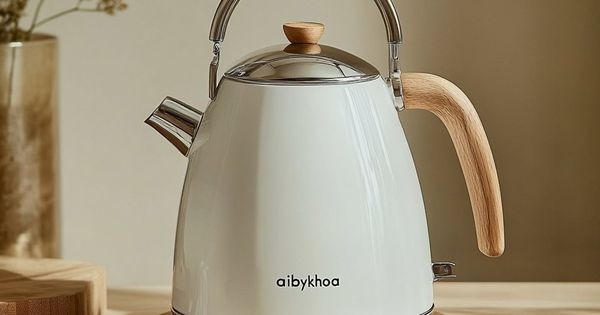
The Evolution of Electric Kettles: From Basic Boil to Precision Heating
The journey of the electric kettle has been one of continuous innovation. Initially, electric kettles were straightforward devices, designed solely to heat water to its boiling point as quickly and safely as possible, often replacing stovetop versions. Their convenience quickly made them a household staple. However, as the culinary world and home brewing scene grew more sophisticated, people began to realize that not all hot beverages benefited from boiling water. For instance, delicate teas can be scorched by excessively hot water, leading to a bitter taste. This realization spurred the development of the variable temperature electric kettle, adding a layer of nuanced control previously unavailable. This advancement represents a significant leap, moving from mere utility to empowering users with precise command over their brewing processes.
Diving Deep: How Variable Temperature Kettles Work Their Magic
At the heart of a variable temperature electric kettle lies a sophisticated combination of technology. It starts with a powerful heating element, similar to standard kettles, but it’s coupled with highly accurate temperature sensors. These sensors continuously monitor the water’s temperature. When you select a desired temperature on the control panel – whether through dedicated preset buttons for different beverages or a dial for custom settings – the kettle’s microprocessor intelligently heats the water until it reaches that exact point. Many models also include a “keep warm” function, which maintains the chosen temperature for an extended period, ensuring your second cup is as perfect as the first. This precision heating mechanism is what differentiates a basic boiler from a true brewing tool.
Why Precision Matters: The Unbeatable Benefits of Variable Temperature Kettles
The ability to control water temperature precisely offers a plethora of benefits that enhance your daily life and elevate your culinary experiences.
- Enhanced Flavor for Specific Teas: Different teas require different brewing temperatures to release their optimal flavor without burning the delicate leaves. Green teas thrive around 175°F (80°C), white teas at 160°F (70°C), oolongs around 190°F (88°C), while black and herbal teas generally prefer boiling water. A variable temperature electric kettle ensures you hit that sweet spot every time.
- Perfect Coffee Brewing: Coffee aficionados know that water temperature is paramount for extraction. Pour-over and French press methods often call for water between 195°F (90°C) and 205°F (96°C). Using water that’s too hot can lead to over-extraction and bitterness, while water that’s too cool results in under-extraction and a weak, sour cup.
- Beyond Beverages: These kettles are incredibly versatile. They can heat water to the perfect temperature for baby formula (often around 100-104°F/38-40°C), ensuring it’s safe and ready without guesswork. They are also ideal for preparing oatmeal, instant noodles, or even certain baking recipes that require specific water temperatures.
- Energy Efficiency: By heating water only to the required temperature and not always to a rolling boil, a variable temperature electric kettle can be more energy-efficient than traditional models. The “keep warm” function also means less re-boiling throughout the day.
- Safety Features: Many models come with advanced safety features like automatic shut-off and boil-dry protection, providing peace of mind.
“Using the right water temperature is not just a recommendation; it’s a scientific principle that unlocks the full spectrum of flavors and aromas in your beverages,” states Dr. Eleanor Vance, a renowned food scientist and beverage expert. “A variable temperature electric kettle is the most accessible tool for achieving this at home.”
Choosing Your Perfect Pour: A Comprehensive Buying Guide for Variable Temperature Kettles
With a growing market, selecting the ideal variable temperature electric kettle can seem daunting. Here’s what to consider:
- Capacity: Kettles range from small 0.8-liter models perfect for one or two servings to larger 1.7-liter or 2-liter options for families or entertaining.
- Material:
- Stainless Steel: Durable, easy to clean, and retains heat well.
- Glass: Offers a stylish, modern aesthetic and allows you to watch the water boil, though it can be more fragile.
- Plastic: Often more affordable, but ensure it’s BPA-free and high-quality to avoid imparting flavors.
- Wattage: Higher wattage (1500W and above) generally means faster boiling times.
- Temperature Range and Presets: Check if the kettle offers the specific temperatures you need. Many have presets for common teas and coffee, while others offer more granular control in 5-degree increments.
- Keep Warm Function: A valuable feature that maintains your chosen temperature for 30 minutes to an hour, perfect for multiple cups.
- Safety Features: Look for auto shut-off, boil-dry protection, and a cool-touch exterior for added safety.
- Ergonomics and Design: Consider the handle comfort, spout design (especially for pour-over coffee), and overall aesthetic to match your kitchen.
- Budget Considerations: Prices vary widely based on features, brand, and material. Determine your essential needs versus desirable luxuries.
Mastering Your Kettle: Tips for Optimal Use and Maintenance
To get the most out of your variable temperature electric kettle and ensure its longevity, here are some essential tips:
- Initial Setup: Before first use, rinse the kettle interior and fill it with water, bring it to a boil, then discard the water. Repeat this process a couple of times to remove any manufacturing residue.
- Using Presets vs. Manual Settings: If your kettle has presets, use them for common beverages. For specialized needs or personal preferences, explore the manual temperature adjustment.
- Fill Level: Always fill the kettle between the minimum and maximum fill lines to prevent boil-dry issues or overflowing.
- Cleaning and Descaling: Mineral deposits (limescale) can build up inside the kettle, affecting performance and taste.
- Regular Cleaning: Wipe the exterior with a damp cloth.
- Descaling: Every 1-3 months (depending on water hardness), fill the kettle with a solution of equal parts white vinegar and water, or a specialized descaling agent. Bring to a boil, let it sit for 15-30 minutes, then discard and rinse thoroughly.
- Troubleshooting Common Issues: If your kettle isn’t heating, check the power connection. If it’s slow to heat, it might need descaling. Consult your owner’s manual for specific troubleshooting steps.
Variable Temperature Kettles vs. Traditional Methods: A Clear Winner
When comparing the variable temperature electric kettle to its predecessors, the advantages are clear:
- Stovetop Kettles: While charming, stovetop kettles lack any temperature control and rely solely on visual cues and guesswork. They are also generally slower to heat water and can be a burn hazard if left unattended. A variable temperature electric kettle offers speed, precision, and safety.
- Standard Electric Kettles: These are fast and convenient but still limited to boiling water. For anyone seeking to optimize the flavor of their diverse range of hot beverages, the lack of temperature control in a standard electric kettle becomes a significant drawback that the variable temperature electric kettle brilliantly overcomes.
Elevate Your Daily Rituals: The Impact of Precision Heating
Incorporating a variable temperature electric kettle into your kitchen is more than just acquiring another appliance; it’s an investment in enhancing your daily rituals. Imagine waking up and effortlessly brewing a delicate green tea at its optimal temperature, or crafting a perfectly extracted cup of coffee before heading out. This precision ensures that every sip is exactly as it should be – rich, nuanced, and free from the bitterness or weakness caused by incorrect water temperatures. Beyond taste, the convenience, energy efficiency, and safety features make it an indispensable tool. From morning tea to a relaxing herbal infusion before bed, a variable temperature electric kettle empowers you to truly savor every moment.
Frequently Asked Questions (FAQ)
Q1: Are variable temperature electric kettles worth the investment?
A1: Absolutely, for anyone who regularly enjoys hot beverages like tea or coffee, a variable temperature electric kettle is a worthwhile investment. The ability to precisely control water temperature significantly enhances flavor and can even save energy, making it a valuable addition to your kitchen.
Q2: What are the ideal temperatures for different types of tea?
A2: The ideal temperatures vary: green and white teas typically require 160-180°F (70-82°C), oolong teas 180-195°F (82-90°C), and black and herbal teas prefer boiling water at 212°F (100°C). A variable temperature electric kettle makes hitting these targets effortless.
Q3: How accurate are the temperature settings on these kettles?
A3: Most high-quality variable temperature electric kettles are designed to be quite accurate, typically within a few degrees of the selected temperature. Digital models often offer the highest precision, ensuring your water is heated exactly as you intend.
Q4: How often should I descale my variable temperature electric kettle?
A4: The frequency depends on the hardness of your water and how often you use the kettle. Generally, descaling every 1-3 months is recommended to prevent mineral buildup, which can affect heating efficiency and the taste of your water.
Q5: Can I use a variable temperature kettle for purposes other than hot beverages?
A5: Yes, a variable temperature electric kettle is incredibly versatile. It’s excellent for heating water to specific temperatures for baby formula, oatmeal, instant soups, preparing specific baking ingredients, or even for certain cleaning tasks that require warm water.
Conclusion
The variable temperature electric kettle stands as a testament to how small innovations can bring significant improvements to our daily lives. It transcends the basic function of boiling water, offering unparalleled control and precision that elevate the experience of making everything from a delicate cup of green tea to a robust pour-over coffee. By understanding its technology, benefits, and how to choose the right model, you can make a smart purchasing decision that will bring perfectly heated water into your home for years to come. Embrace the precision, savor the flavor, and transform your everyday hot beverage ritual.